Battery storage for solar captures electricity when a plant produces more than the grid needs and releases it later, including after sunset. It smooths output, reduces curtailment and lets solar supply demand peaks.
It is one part of the wider picture described in the renewable energy guide, which compares all the main sources and the flexibility they need.
| Key fact | Detail |
|---|---|
| Peak usage on summer afternoons and evenings | Peak power use often occurs then, as solar generation falls |
| Storage supports solar when sun is not shining | Storage helps solar supply electricity even when the sun isn’t shining |
| Storage as insurance policy | Storage acts as an insurance policy for sunshine |
| Most common storage type and storage coupled with solar | pumped hydropower; batteries with PV |
| Pumped hydro constraints | Needs lengthy permits, long build times and large initial capital |
| Most common battery chemistry | lithium-ion |
Figures from www.energy.gov; they can change, so check the source before you rely on them.
Why solar and storage are paired
Solar output and electricity demand do not line up. The US Department of Energy notes that peak power usage often occurs on summer afternoons and evenings, when solar energy generation is falling, in its solar integration and storage basics. People return home, cool their homes, cook and run appliances just as sunlight fades.
Storage closes part of that gap. The same guide says storage helps solar contribute to the electricity supply even when the sun is not shining, and helps smooth out variations in how solar energy flows onto the grid. Those variations come from season, time of day, clouds, dust, haze, rain, snow and shadows.
Without storage, electricity must be generated and consumed at the same time. Grid operators may then have to take some generation offline, which is called curtailment, to avoid over-generation and reliability problems. A battery that charges during high output and low consumption turns that surplus into usable energy, which the Department of Energy describes as acting like an insurance policy for sunshine.
Storage technologies used with solar
Several technologies can store energy for a solar plant. According to the same Department of Energy guide, the most common type of storage on the power grid is pumped hydropower, but the technologies most often coupled with solar plants are electrochemical storage (batteries) with PV plants and thermal storage with concentrating solar power plants.
Pumped-storage hydropower pumps water uphill when demand is low and lets it flow back through a turbine when demand is high. It has been used in the United States since 1929, but it needs suitable landscapes and reservoirs, lengthy permits and large initial capital, which is part of why little has been built recently, per the Department of Energy overview.
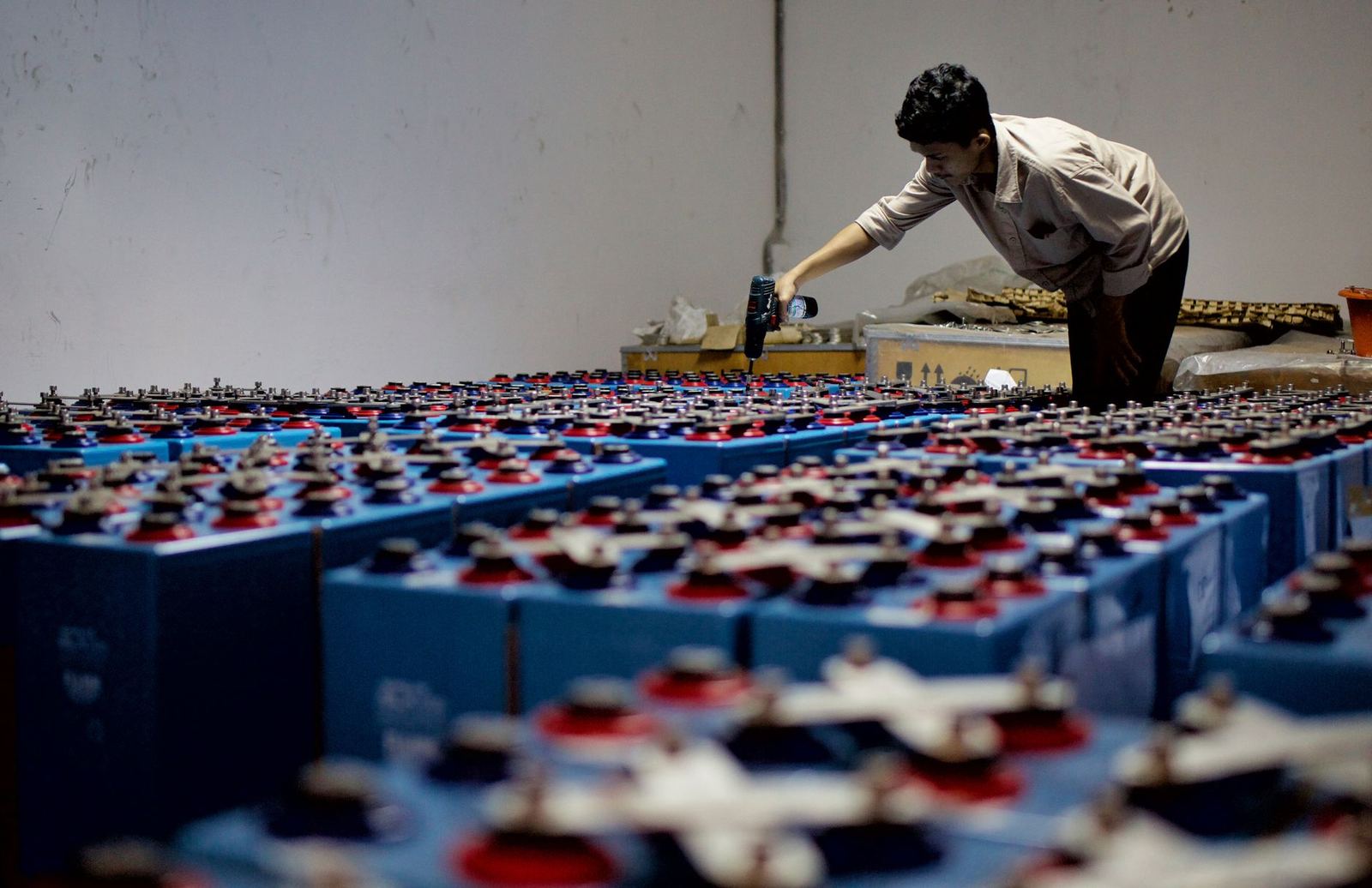
Batteries work electrochemically: feeding electricity in causes a chemical reaction that stores energy, and reversing it releases a current. Lithium-ion is the most common chemistry, and lead-acid, sodium and nickel-based batteries are other options. Thermal storage instead holds heat in a fluid such as water or molten salt in an insulated tank, and suits concentrating solar plants that focus sunlight onto a receiver.
What a battery does on a solar plant
A battery can do several jobs, sometimes within the same day. The Energy Information Administration lists balancing supply and demand, moving electricity from periods of low prices to periods of high prices (arbitrage), and storing wind and solar electricity until needed instead of curtailing those sources, in its analysis of grid batteries.
The Department of Energy adds two more. Firming means short-term storage rides through quick changes in generation, so a small battery can cover a brief drop from a passing cloud and keep the supply consistent. Resilience means solar and storage together can provide backup power during an outage, keep critical facilities such as communications running, and support microgrids.
Different tasks need different designs. Storage differs in energy capacity, the total amount that can be held, usually in kilowatt hours or megawatt hours, and power capacity, how much can be released at a given moment, usually in kilowatts or megawatts. Short storage lasting a few minutes smooths cloud effects, while longer storage can supply energy over days or weeks when solar production is low.
Co-located and standalone systems
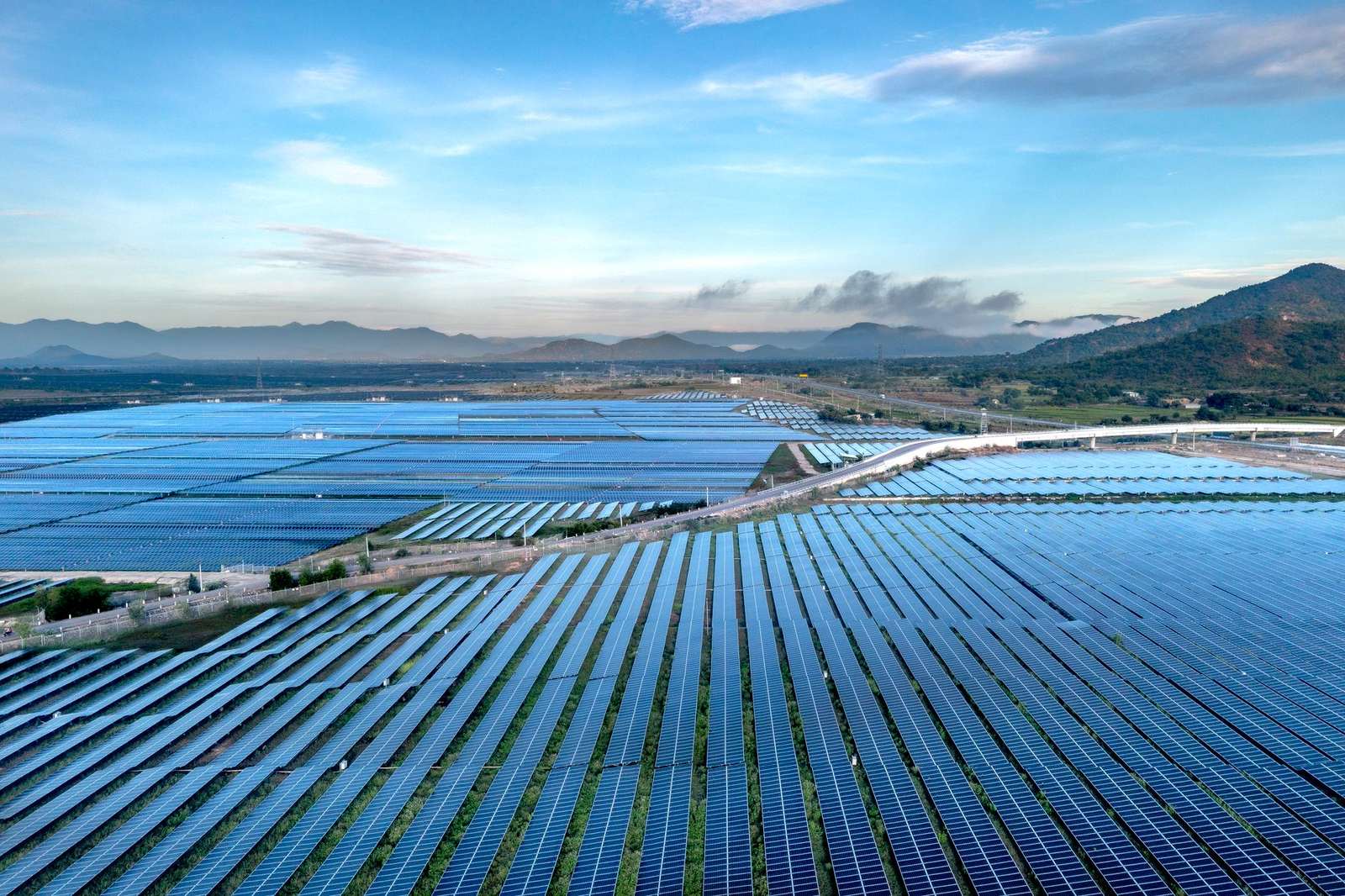
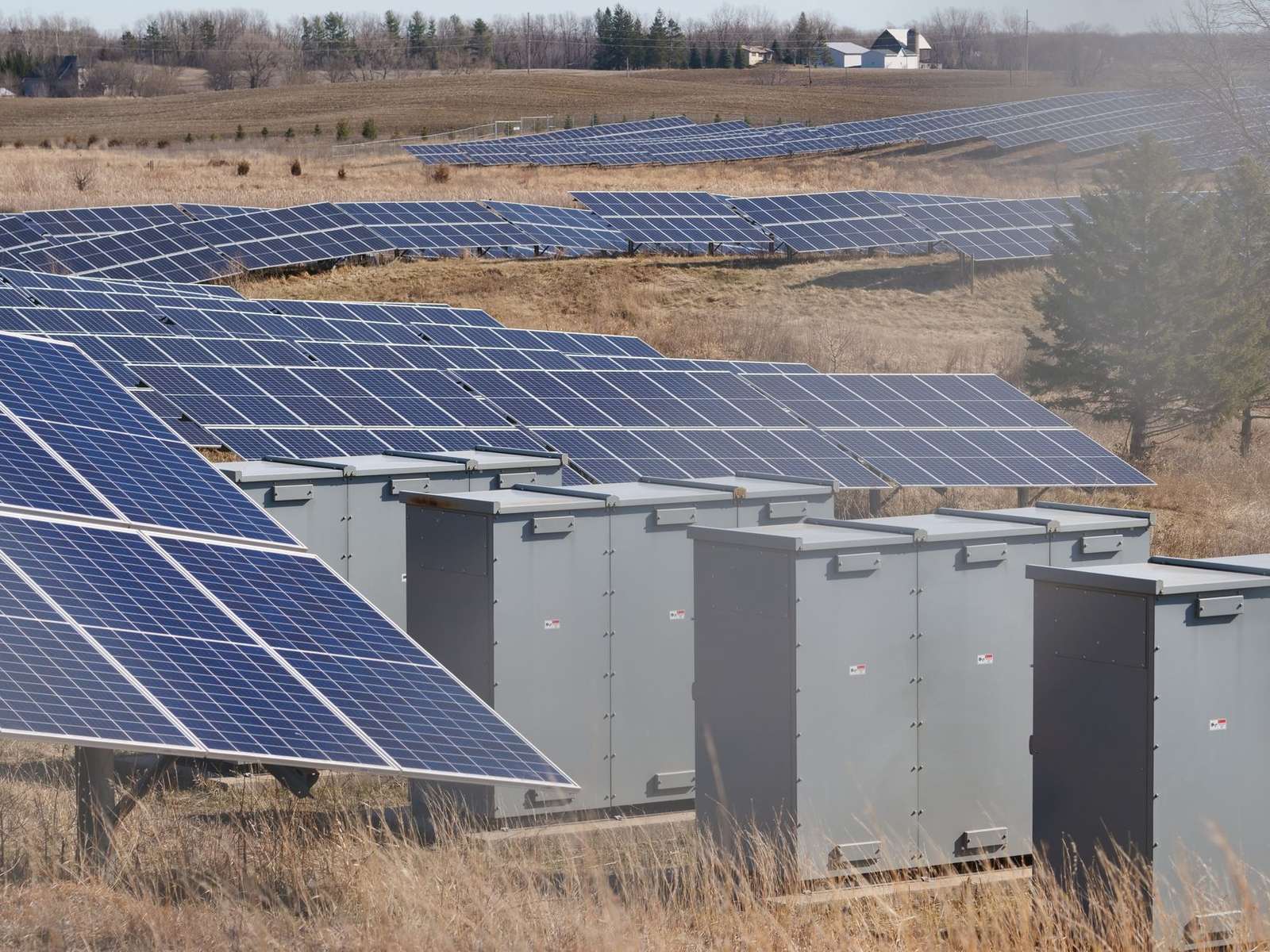
Storage is sometimes co-located with a solar plant and sometimes placed next to it as a standalone system. The Department of Energy says that in either layout it helps integrate solar into the energy landscape. An example it cites is the AES Lawai Solar Project in Kauai, Hawaii, where a 100 megawatt-hour battery energy storage system is paired with a solar photovoltaic system.
Co-location can share grid connection and land, while a standalone battery can serve the grid more freely and charge from other sources. Which layout fits depends on market rules, connection capacity and how the plant earns revenue.
Storage also changes how solar performance is read. A plant’s yield is described by metrics such as the capacity factor of solar and wind, and adding a battery shifts when that energy reaches the grid rather than how much the modules produce. Solar can also be combined with land use, as in agrivoltaics, where a battery can serve the same grid connection.
Growth and limits
Grid batteries have grown quickly. The Energy Information Administration reports that operators added 5 gigawatts (GW) of utility-scale battery capacity to the US grid in the first seven months of 2024, compared with only 4 megawatts (MW) added in 2010, and that more than 20.7 GW of battery capacity was available in July 2024, according to its Today in Energy report. Most US utility-scale systems use lithium-ion batteries.
Storage has limits. The Department of Energy points out that using energy storage is never 100% efficient, because some energy is always lost in converting and retrieving it. The Energy Information Administration likewise notes that storage systems use more electricity for charging than they provide when supplying the grid, and that they are secondary sources: they do not create electricity from a fuel or natural resource, only store electricity already created.
For project owners the practical questions are therefore how long the battery must run, how often it will cycle, and which of the services above will pay for it. A system sized for a few minutes of cloud smoothing is a very different asset from one meant to shift a full afternoon of output into the evening peak.
Operation matters as much as sizing. Battery systems need monitoring of charge state, temperature and power electronics, and their control software decides when to charge and discharge against price signals and grid needs. Poor dispatch can leave stored energy unused during the hours when it would earn most, so control strategy deserves the same attention as hardware selection in project planning.
Storage is also not the only flexibility option. Demand that shifts to sunny hours, interconnection with neighbouring grids and curtailment itself all compete with batteries on cost, and the best mix varies by market. Batteries tend to win where evening peaks are steep and where the price gap between midday and evening is wide enough to repay the investment.
Frequently asked questions
Why add a battery to a solar plant?
Show answer
A battery lets output reach the grid when demand is high rather than only when the sun shines, reduces curtailment and can provide backup power.
Which battery chemistry is most common?
Show answer
Lithium-ion is the most common chemistry for battery cells, with lead-acid, sodium and nickel-based batteries as other options, according to the Department of Energy.
Do batteries create electricity?
Show answer
No. They are secondary sources that store electricity created elsewhere and return slightly less than they take in.
Is pumped hydropower also storage for solar?
Show answer
Yes. It is the most common grid storage type, using surplus electricity to pump water uphill and releasing it through a turbine later.