A solar power purchase agreement is a long-term contract in which a buyer agrees to purchase electricity from a solar plant on terms fixed in advance. It gives the owner predictable revenue and gives the buyer a known price.
The wider context of these contracts, from wind and storage to hydrogen, is covered in the renewable energy guide, while this page focuses on how the contracts are built and what they mean for solar projects.
| Key fact | Detail |
|---|---|
| Physical PPA | physical delivery |
| Financial PPA | settled financially |
| Pay-as-produced | offtaker carries the volume risk |
| Baseload shaped | fixed profile |
| Risk split | structure decides how risks are shared between the parties |
| Cross-border | offtaker buys from a producer in a different country |
Figures from eur-lex.europa.eu; they can change, so check the source before you rely on them.
What a solar power purchase agreement is
European law defines a renewables power purchase agreement as a contract under which a natural or legal person agrees to purchase renewable electricity directly from an electricity producer. The electricity market rules adopted in 2024 use a similar, technology-neutral wording: a contract under which a buyer agrees to purchase electricity from an electricity producer on a market basis, as set out in the electricity market design regulation.
In a solar contract the producer is a photovoltaic plant, and the buyer may be a utility, a trader or a corporate consumer.
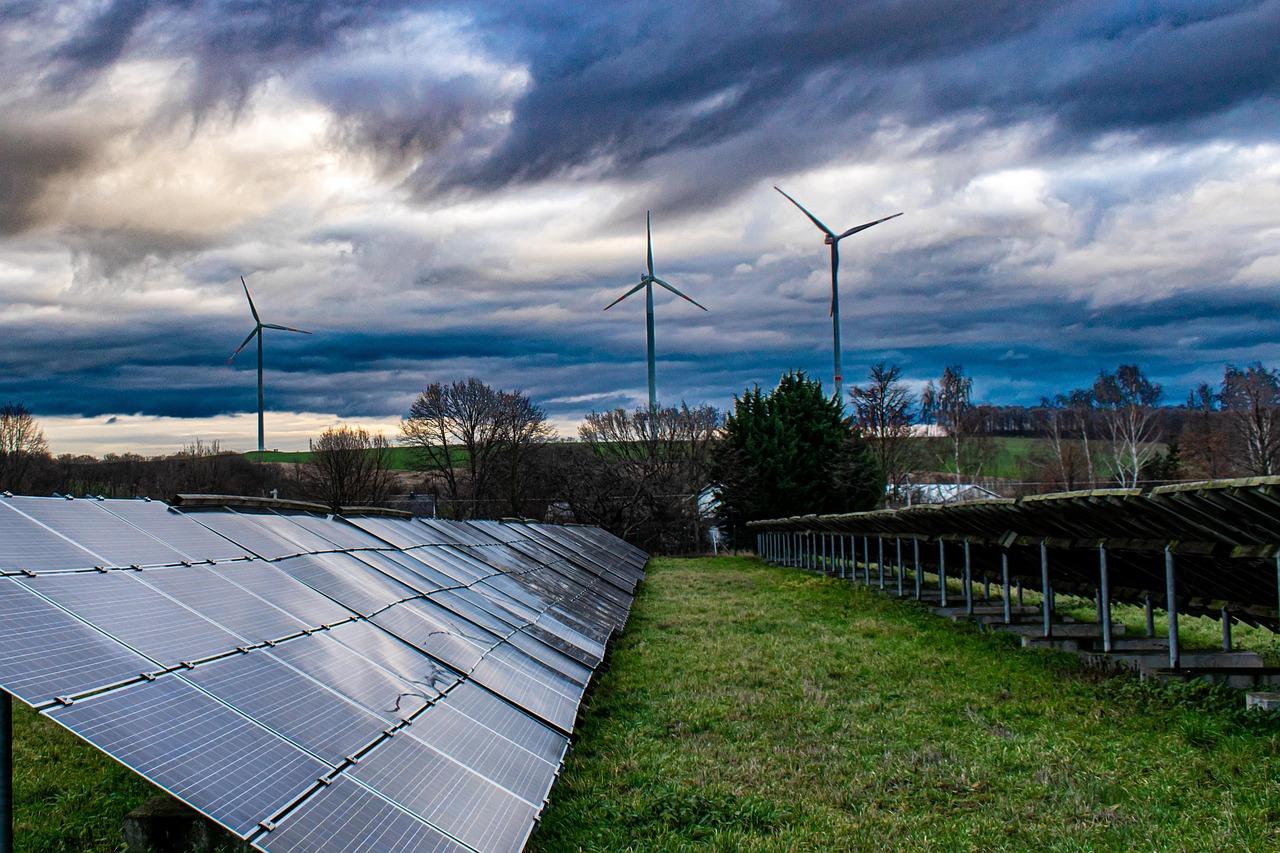
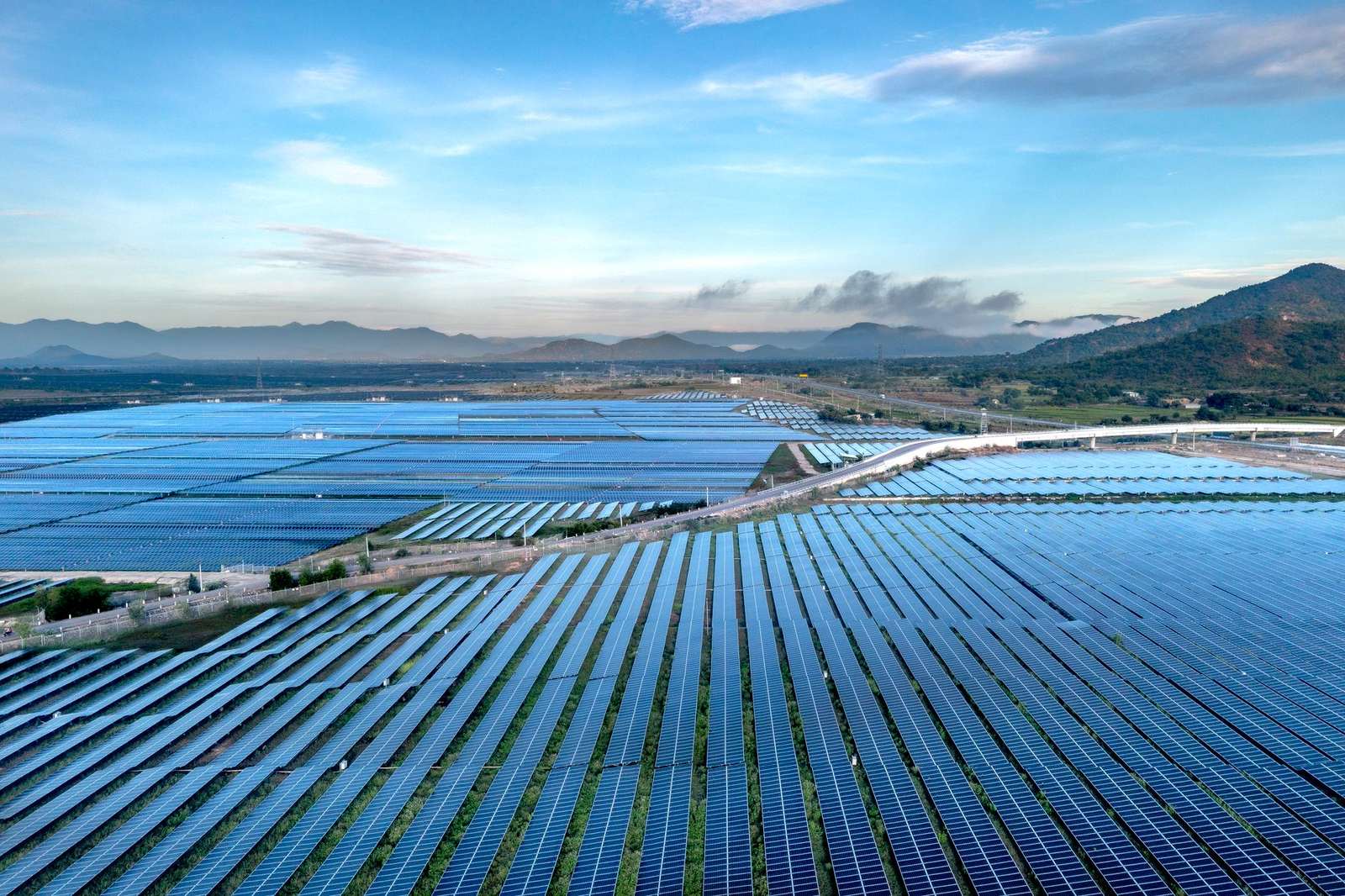
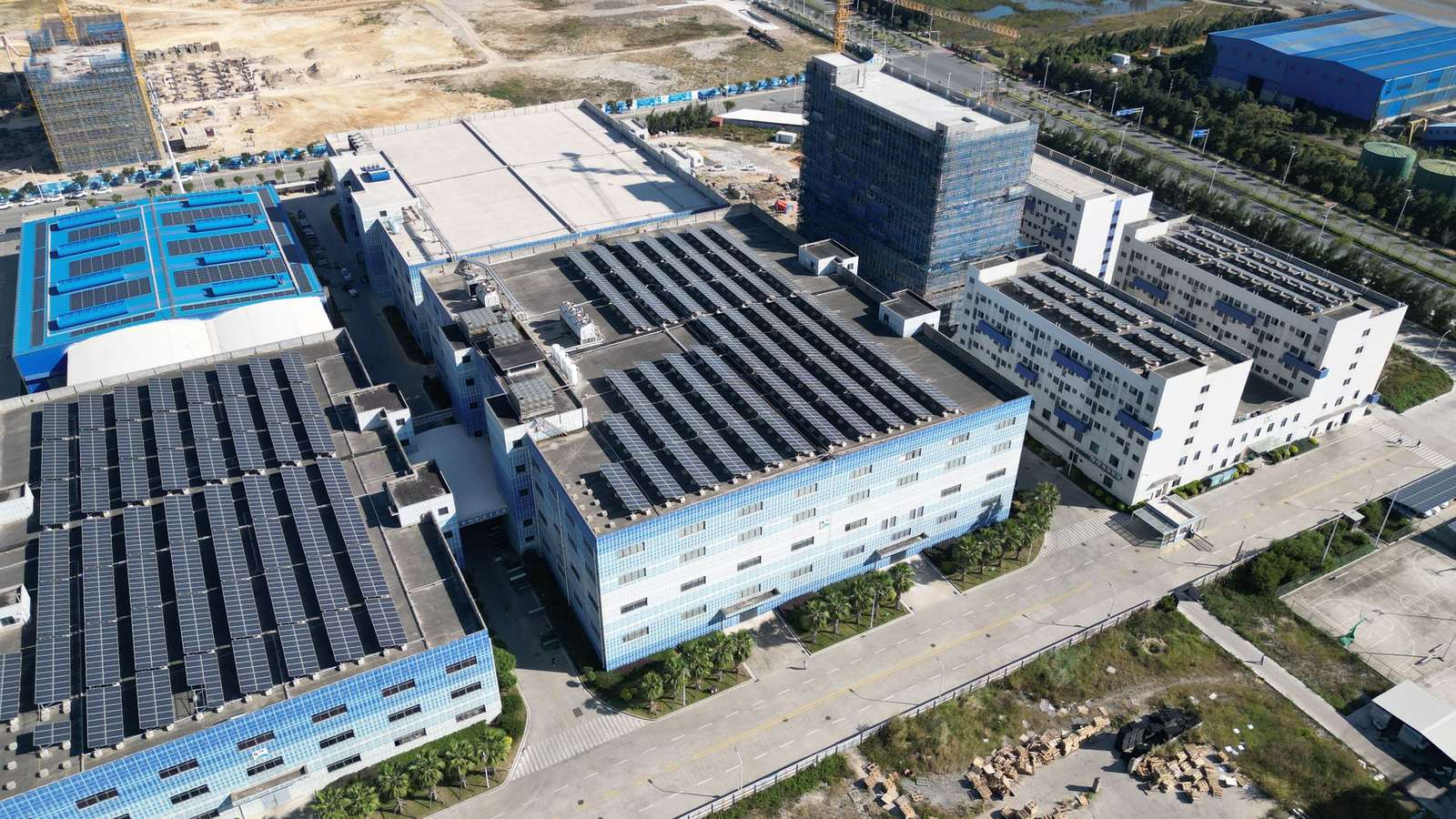
The same logic applies whatever the plant looks like. Ground-mounted fields, large rooftop arrays and even floating solar sites can all sell their output under such contracts, because the contract only needs a metered production source and a counterparty.
Physical and financial structures
Contracts differ first in how the electricity reaches the buyer. The European Commission’s 2026 recommendation on removing barriers to these agreements, available in the Official Journal, states that physical PPAs involve the physical delivery of electricity with the associated balancing and scheduling obligations. They expose the offtaker to volume and imbalance risks.
Financial PPAs work differently. According to the same recommendation, they operate as contracts settled financially against a reference market price, leaving physical supply arrangements and imbalance management to be addressed separately. The buyer still obtains the contractual price certainty, but a supplier or other arrangement delivers the electrons.
A cross-border contract adds another layer. The Commission describes it as a bilateral contract under which an offtaker acquires electricity from a producer located in a different country, and notes in the recommendation that these deals are more complex because of price differences between bidding zones and interconnector flows.
- Physical PPAs involve physical delivery of electricity with balancing and scheduling obligations.
- Financial PPAs are settled financially against a reference market price.
- Pay-as-produced PPAs transfer the volume risk to the offtaker.
- Baseload or shaped PPAs provide a fixed delivery profile.
- Cross-border PPAs are more complex than domestic PPAs.
Delivery profiles: pay-as-produced, baseload and shaped
Solar output follows the sun, so the delivery profile in the contract decides who carries the variability. The Commission’s recommendation explains that pay-as-produced PPAs transfer the volume risk to the offtaker, who is exposed to production and profile risk, which can be significant for variable renewable assets. Baseload or shaped PPAs instead provide a fixed delivery profile, shifting profile and balancing risks to the generator or an intermediary, as the same text puts it.
For a solar plant the practical difference is large. A pay-as-produced buyer receives everything the plant generates, including the midday peaks when many plants generate together. A shaped contract asks the seller, or a third party, to smooth that output, usually by combining the plant with other assets or market purchases, so it costs more to arrange.
The recommendation also records that traditionally the majority of PPAs have been pay-as-produced, and that growing price cannibalisation and negative-price hours are reducing interest in that model. Cannibalisation here means the revenue and value of a technology declines as more of it is built. Solar is especially exposed because many plants peak at the same hours.
How fast the market has grown in the EU
The same recommendation reports that the amount of electricity contracted every year through new corporate PPAs grew four-fold between 2020 and 2024, from 7,4 TWh to 31,4 TWh. The number of contracts signed rose from 60 in 2020 to 276 in 2024, according to the Commission’s figures.
The same text says that 13 Member States can be considered mature PPA markets, while 7 are classed as emerging. In the remaining 7 Member States, the number of contracts is very low. Wind dominated at first, but by 2024 the majority of contracts were based on solar photovoltaic generation, and more than 10 % were hybrid contracts bundling several technologies, including storage assets.
Buyers are concentrated in a few sectors. The recommendation states that the information and communication technologies sector is the main driver, with more than 40 % of electricity committed through those contracts by 2024, followed by the metal and mining sector, the capital goods sector and the chemical sector.
Risks and how EU rules address them
The Commission lists non-regulatory barriers to growth in these markets: the creditworthiness of prospective buyers, the lack of knowledge among small and medium-sized consumers, limited transparency, a lack of standardised contracts and limited use by public buyers. Regulatory barriers include accounting rules, guarantee of origin implementation, grid access rules and lengthy permitting, as set out in the recommendation.
The 2024 market design reform responds directly. Member States must ensure that instruments such as guarantee schemes at market prices are in place to reduce the financial risks linked to offtaker payment default, and that they are accessible to customers facing entry barriers, according to the regulation. The same regulation requires agreements to specify the bidding zone of delivery, and the terms and conditions under which customers and producers may exit, such as any applicable exit fees and notice periods.
The older renewable energy directive already required Member States to assess the regulatory and administrative barriers to long-term renewables power purchase agreements and to remove unjustified ones. It adds that these agreements must not be subject to disproportionate or discriminatory procedures or charges, as the directive text shows.
What sets the price in a solar contract
The agreed price is a negotiation between the producer’s cost of generating power and the buyer’s alternative, which is usually the wholesale market. The producer’s side is captured by the levelized cost of electricity, which compares all lifetime costs with total energy generated. Fraunhofer ISE reports that large ground-mounted PV systems of more than 1 MWp currently achieve generation costs between 4.1 and 5.0 euro cents per kWh in southern Germany, in its cost of electricity study.
A contract price must sit above that cost for the plant to be financeable and below the buyer’s expected market price for the buyer to gain anything, so profile, credit quality and contract length all move the final figure. The risk allocation matters as much as the headline price: the Commission notes that the choice of structure determines how price, volume, profile, balancing and credit risks are split, and that those choices affect the bankability of clean energy investments, as stated in the recommendation.
Frequently asked questions
What is the difference between a physical and a financial PPA?
Show answer
A physical PPA involves delivery of the electricity with balancing and scheduling obligations, while a financial PPA is settled against a reference market price and leaves supply arrangements to be handled separately, according to the Commission recommendation.
Who carries the risk in a pay-as-produced contract?
Show answer
The offtaker carries the volume risk and is exposed to production and profile risk, as the Commission recommendation explains.
Which sector buys the most PPA electricity in the EU?
Show answer
The information and communication technologies sector, with more than 40 % of electricity committed through those contracts by 2024, according to the Commission.
Can a PPA specify how to exit the contract?
Show answer
EU rules say PPAs shall specify the terms and conditions under which customers and producers may exit, such as any applicable exit fees and notice periods, as set out in the market design regulation.