This renewable energy guide explains the main sources of renewable power and heat: solar, wind, hydropower, bioenergy and geothermal. It covers how each works, where each fits, and how the European Union is doing.
Detailed pages on storage, hydrogen, contracts, costs and operations are linked from the sections below, so each topic can be followed up in depth.
| Key fact | Detail |
|---|---|
| EU share of renewable energy in gross final energy consumption, 2025 | 26.2% (25.2% in 2024) |
| Renewable share of EU electricity, 2025 | 49.9% (47.5% in 2024) |
| Revised EU 2030 renewable target | 42.5% (aim 45%), from 32% |
| Wind and hydro share of EU renewable electricity, 2024 | 38.0% and 26.4% |
| Solar, solid biofuels and other shares of EU renewable electricity, 2024 | 23.4%, 5.8%, 6.1% |
| Country shares of renewable electricity 2025 | Austria 90.8%, Sweden 89.2%, Denmark 77.7% |
Figures from ec.europa.eu; they can change, so check the source before you rely on them.
What counts as renewable energy
Renewable energy comes from flows that natural processes replenish continuously: sunlight, wind, moving water, heat from the earth and plant material. Eurostat, the statistical office of the European Union, lists the sources it counts as wind power, solar power (thermal, photovoltaic and concentrated), hydropower, tidal power, geothermal energy, ambient heat captured by heat pumps, biofuels and the renewable part of waste, as set out in its renewable energy statistics.
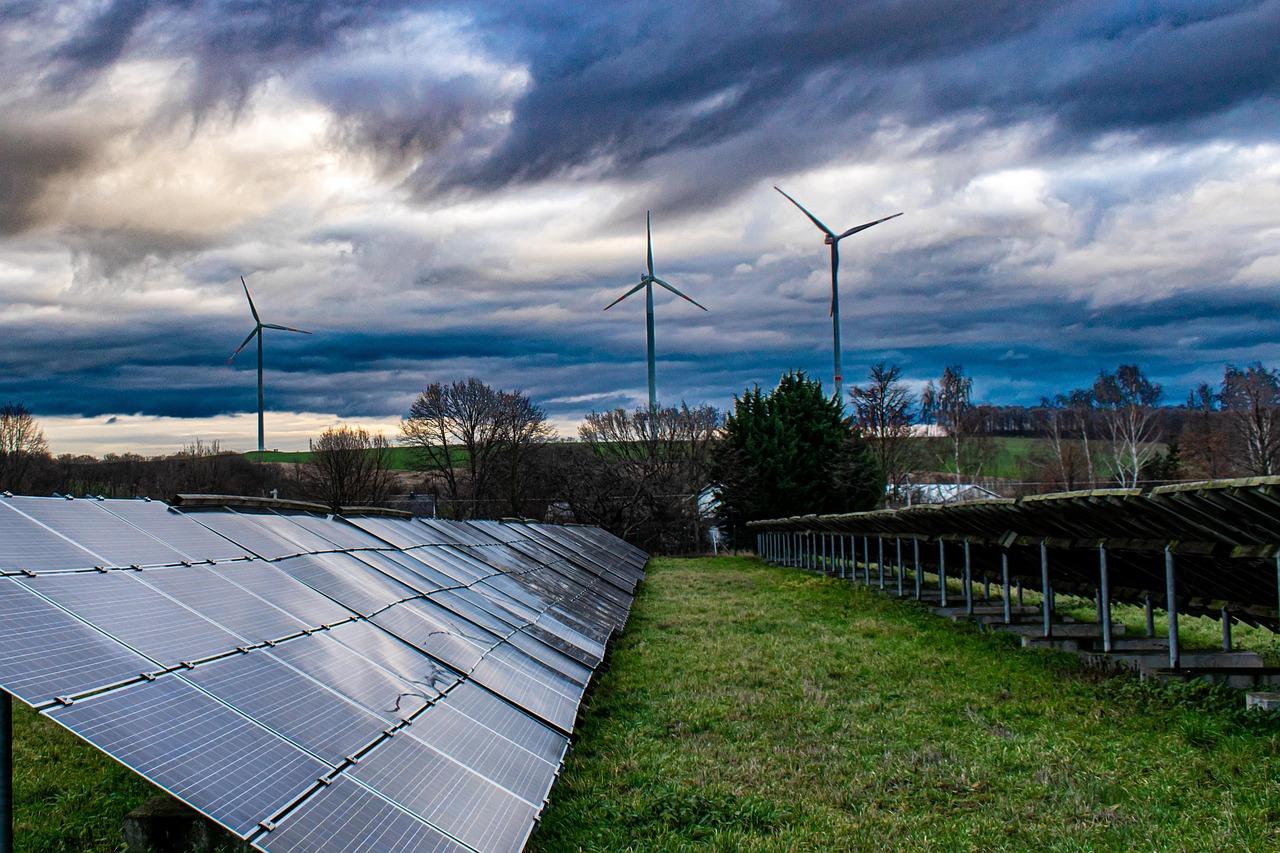
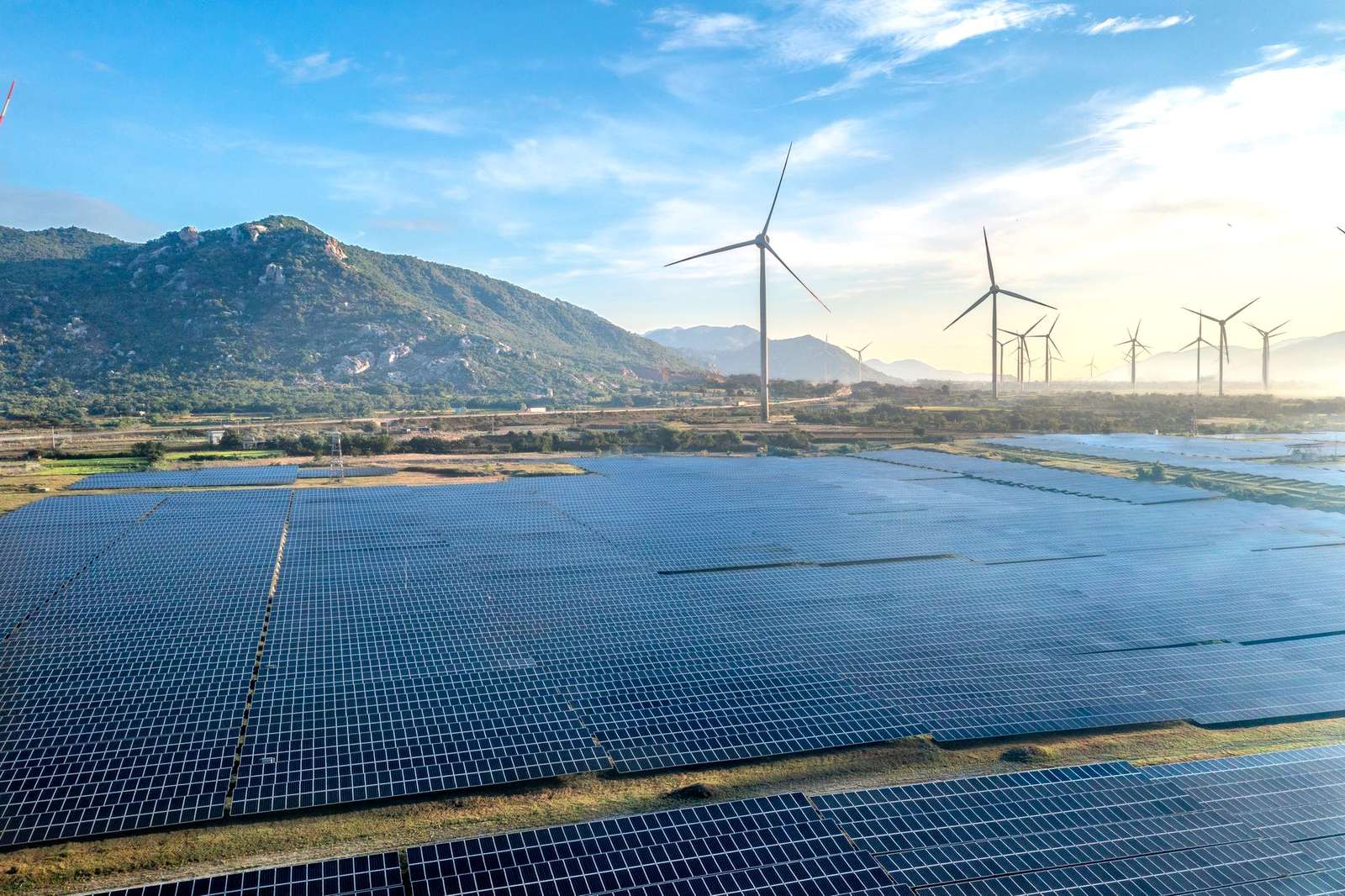
The sources differ in how they deliver energy. Solar and wind output follows the weather and the time of day, so these are often called variable sources. Hydropower with a reservoir, biomass and geothermal plants can be run on demand, which makes them useful for balancing a grid. Most real power systems combine several of these, together with storage and flexible demand.
Another useful distinction is between capacity and energy. Capacity is the maximum power a plant can deliver at one moment, measured in watts. Energy is what it actually produces over time, measured in watt hours. A solar plant and a hydropower plant of the same capacity can deliver very different yearly energy, which is why planners look at both numbers and at the hours in which the energy arrives.
Renewables also serve three different uses: electricity, heating and cooling, and transport. Electricity is the area where progress has been fastest, but heating and cooling account for a large share of final energy use, and the technologies there include heat pumps, solar thermal collectors, geothermal wells and bioenergy.
Solar power
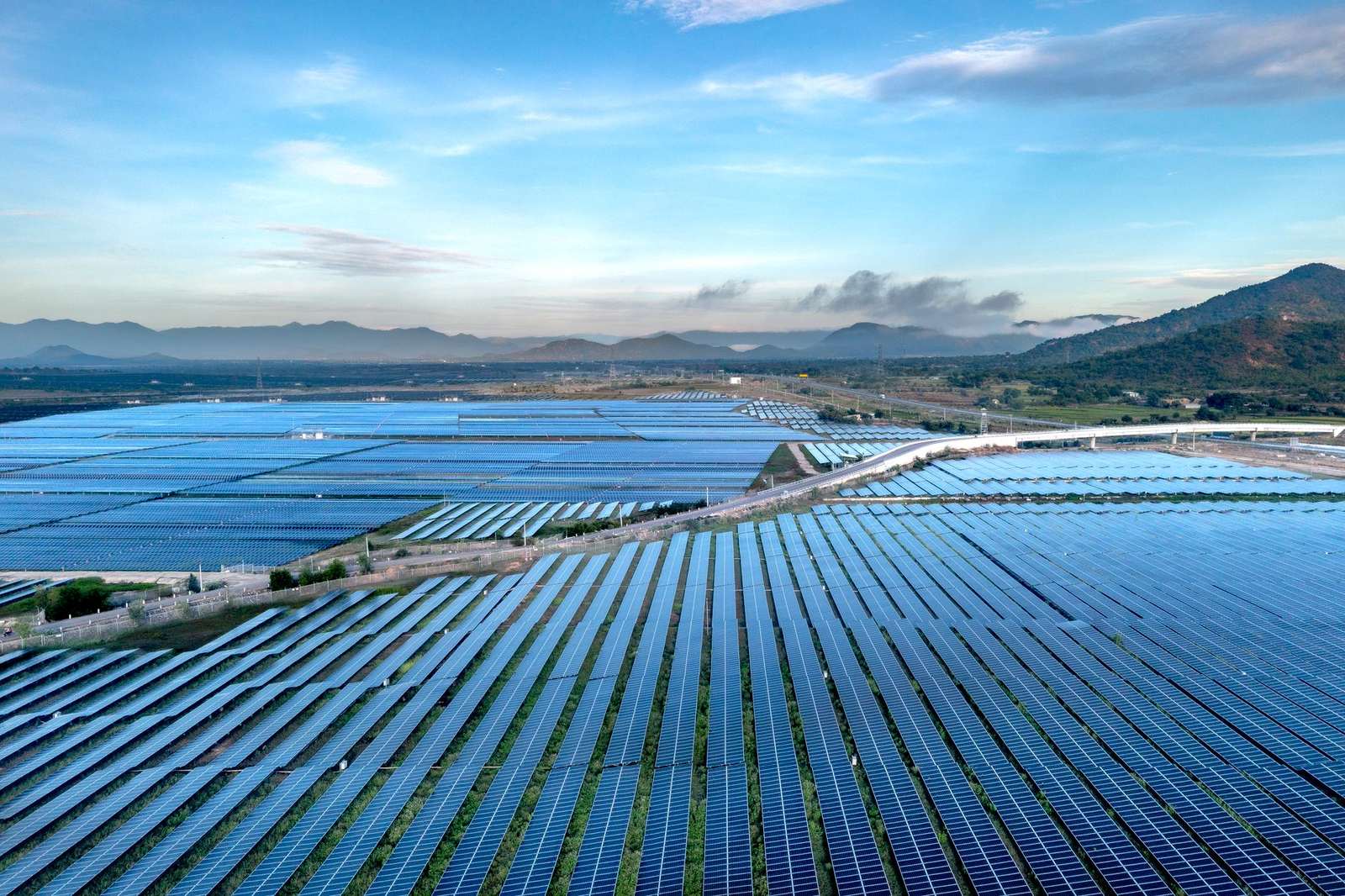
Solar photovoltaic modules turn sunlight directly into electricity. They scale from small rooftop systems to very large ground-mounted plants, and the same technology is used on rooftops, on the ground, over car parks and on water. The IEA states in its renewables executive summary that solar PV and wind together account for 95% of all renewable capacity growth through the end of this decade, because of their growing economic attractiveness in almost all countries.
In the European Union, solar is the fastest-growing source of renewable electricity. Eurostat reports that electricity from solar power rose from just 7.4 terawatt hours (TWh) in 2008 to 304 TWh in 2024, as described on its renewable energy statistics page.
A solar plant is a long-lived asset, and its yield depends on how it is operated as much as on how it was built. Monitoring, cleaning, inverter care and fault detection all affect output over decades, and the practical side of that work is covered in the page on solar o&m services. Solar can also share space with other uses:
agrivoltaics combines crops or grazing with solar generation on the same land, and floating solar places modules on reservoirs and lakes.
Because output peaks around midday, high solar penetration changes the shape of daily demand on the grid. That is one reason storage and flexible consumption matter more as solar grows, and why battery storage for solar has become a standard part of new project design.
Solar technology is not limited to electricity. Solar thermal collectors heat water for buildings and industry, and concentrated solar power uses mirrors to produce steam for turbines, sometimes with heat storage that lets the plant run after sunset. Photovoltaics remain the dominant form because modules are modular, quick to install and have no moving parts, so a project can be built in stages and expanded when demand or financing allows.
- Solar photovoltaic modules
- Solar thermal collectors
- Concentrated solar power
Wind power
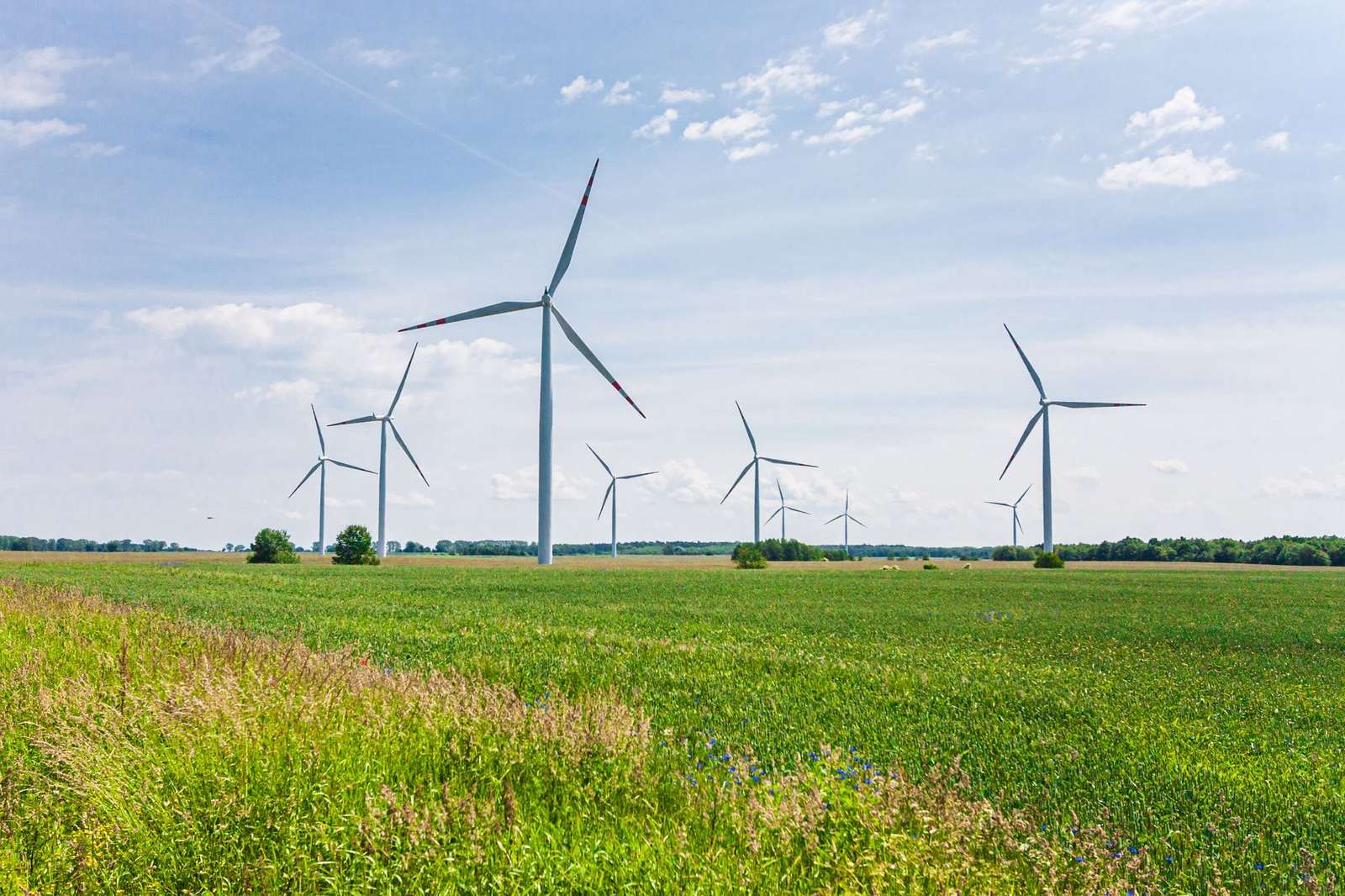
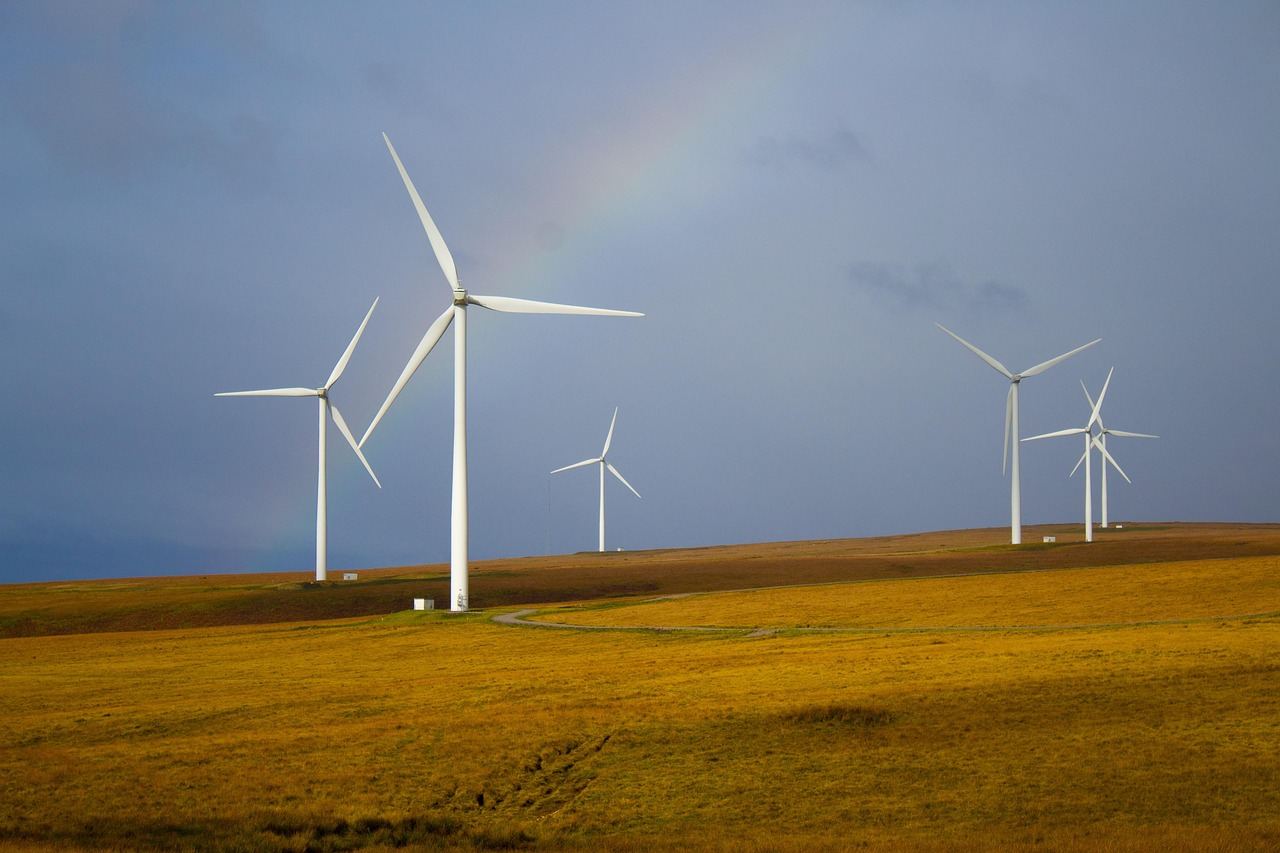
The US Department of Energy explains the basic principle simply: wind turns the propeller-like blades of a turbine around a rotor, which spins a generator, which creates electricity, according to its guide on how wind turbines work. The blades work like an airplane wing: air pressure drops on one side, and the resulting lift is stronger than the drag, which makes the rotor spin.
Wind is itself an indirect form of solar energy, since it is caused by the sun unevenly heating the atmosphere, together with irregularities of the earth’s surface and the rotation of the earth. Wind flow patterns and speeds vary greatly by location, which is why site selection and long measurement campaigns come before any project is built.
Turbines come in two basic families, horizontal-axis machines and vertical-axis machines. The horizontal-axis type dominates commercial projects, and the engineering, siting and grid connection of that technology are covered in the page on onshore wind power. Offshore turbines follow the same principle at larger scale, with stronger and steadier wind offset by higher construction and maintenance cost.
Across the European Union, wind and hydropower together accounted for almost two-thirds of renewable electricity generation in 2024, with shares of 38.0% for wind and 26.4% for hydropower, according to the Eurostat renewable energy statistics. Wind therefore remained the largest single renewable source of electricity in the bloc.
Developers of wind farms face a different set of constraints from solar developers. Visual impact, noise, bird and bat protection, aviation and radar rules, and distance to housing all feed into permitting, and in several countries permitting time has been the main brake on growth. Policy changes to auction design, permitting and grid connection therefore matter as much to wind as the machines themselves.
Hydropower and pumped storage
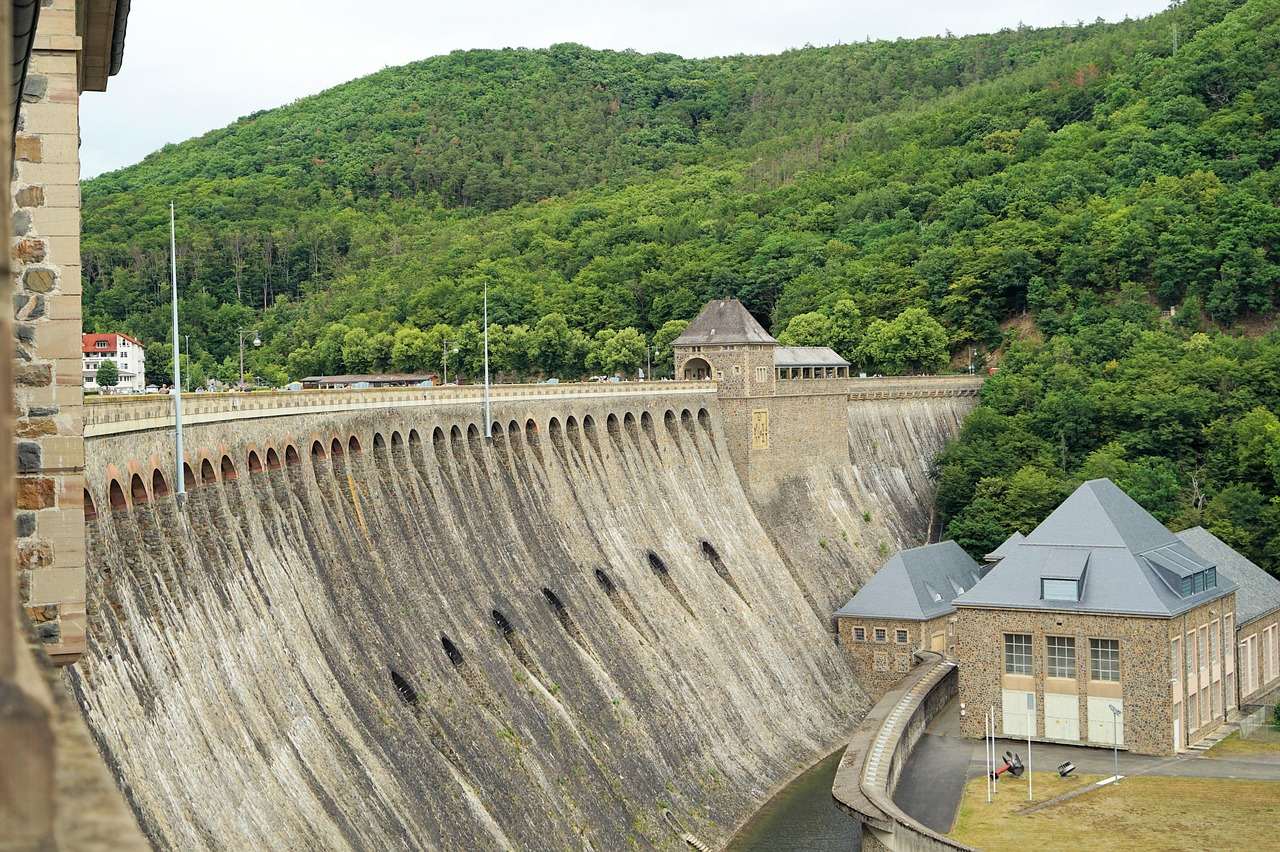
Hydropower uses the energy of flowing or falling water to spin a turbine. The Department of Energy lists three types of hydropower facility: impoundment, diversion and pumped storage, in its overview of types of hydropower plants.
An impoundment facility is the most common type. It uses a dam to hold river water in a reservoir, and releasing that water through a turbine produces electricity when it is needed. A diversion, sometimes called run-of-river, channels part of a river through a canal or a penstock and may not need a dam at all. Run-of-river plants disturb the river less but have little ability to store water.
Pumped storage works differently. The Department of Energy describes pumped storage hydropower as working like a giant battery: water is pumped to an upper reservoir when demand is low and released through a turbine when demand is high. That makes it one of the few large-scale ways of storing electricity from solar, wind and other sources for later use.
The same page notes that of the more than 90,000 dams in the United States, less than 3% produce power, so adding generation to existing structures is one route to extra capacity without a new dam.
Hydropower also brings trade-offs. Dams alter river flows, sediment movement and fish migration, so modern projects include fish passage, minimum flow rules and seasonal release schedules. Output varies with rainfall and snowmelt, and dry years reduce generation, a risk that grows in importance as climate patterns shift. Refurbishing old turbines is often the cheapest way to add output while improving environmental performance.
Bioenergy and geothermal
Bioenergy uses organic material, called feedstock, either directly as fuel or after conversion into another energy product. The Department of Energy lists biomass feedstocks that include dedicated energy crops, agricultural crop residues, forestry residues, algae, wood processing residues, municipal waste and wet waste, in its overview of biomass resources. The environmental value of bioenergy depends heavily on the feedstock: residues and wastes carry far fewer land-use concerns than crops grown only for fuel.
Within renewable electricity in the European Union, solid biofuels supplied 5.8% of generation in 2024, and the remaining one-third of renewable output came from solar power at 23.4% and other renewable sources at 6.1%, per Eurostat. Bioenergy matters more for heat and transport fuels than the electricity figure alone suggests.
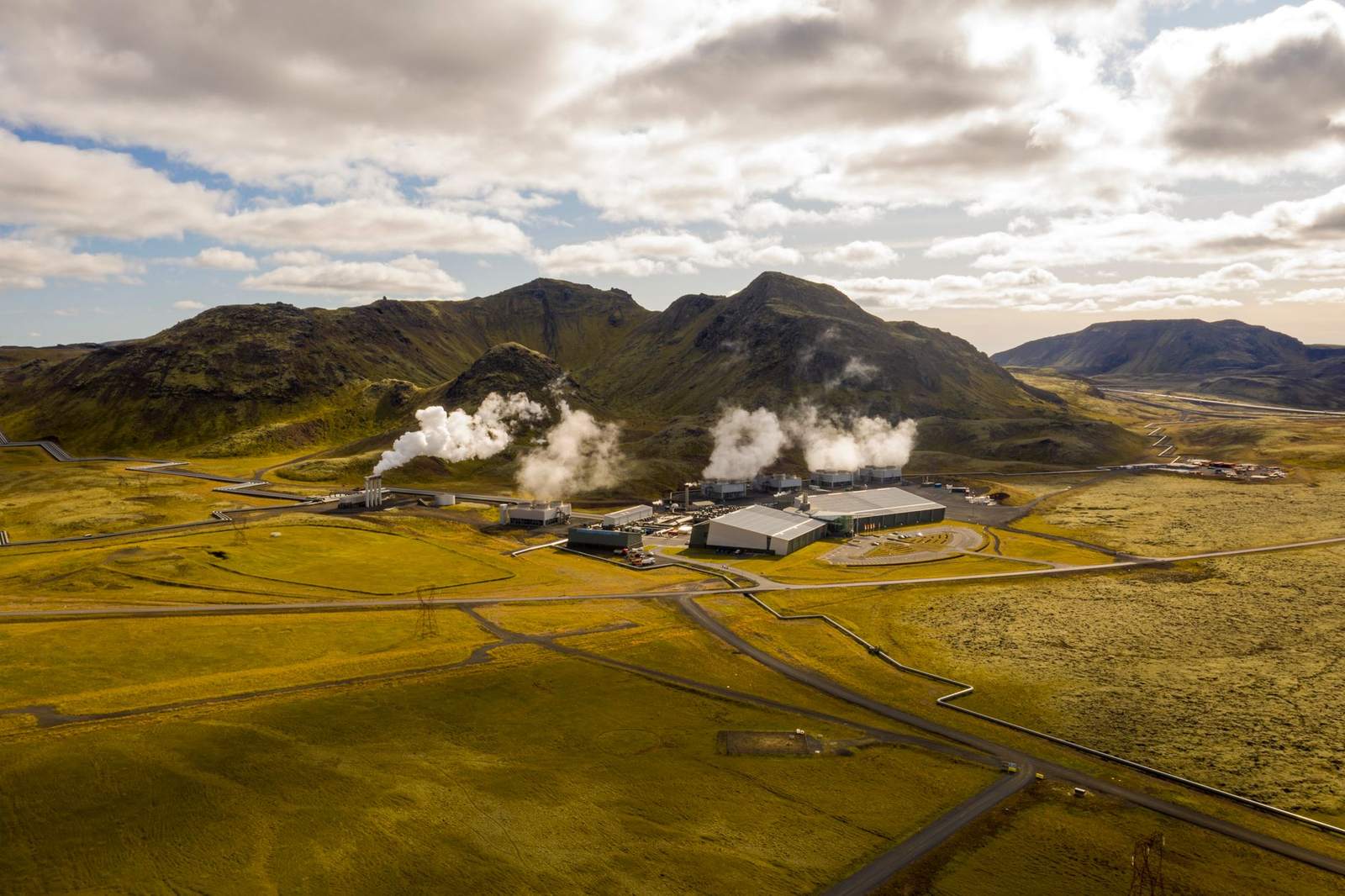
Geothermal energy is heat from the earth. The Department of Energy defines it as heat energy from the earth and explains that wells can reach underground reservoirs of steam and very hot water, in its geothermal basics guide. That heat can generate electricity by driving turbines with steam, supply direct heat to buildings and industrial processes, or support geothermal heat pumps that heat and cool buildings using the ground as a heat source or sink.
Geothermal output is steady and does not depend on weather, which gives it a different role from solar and wind. Its limit is geography: high-temperature resources are found only in certain regions, while heat pumps can be used almost anywhere.
Bioenergy also raises sustainability questions that policy has to address, including the carbon accounting of wood-based fuels, competition between fuel and food uses of land, and air quality effects of small-scale combustion. Biogas from manure, sewage and food waste is one of the less contested routes, since it treats material that would otherwise decay and release methane. Biomethane can be cleaned and fed into gas networks, which lets existing infrastructure carry a renewable fuel.
Heat pumps deserve a separate mention because they link electricity and heating. A heat pump moves heat rather than creating it, so each unit of electricity it uses delivers a larger amount of heat. Eurostat counts the ambient heat they capture as renewable energy, which is one reason heating and cooling shares are rising as pumps replace boilers.
Storage, flexibility and costs
As renewable shares rise, the system needs ways to move energy across time and between sectors. Batteries handle short periods, from seconds to a few hours, and pumped storage handles longer ones. For uses that cannot easily be electrified, such as some industrial processes, shipping and fertiliser production, hydrogen made by electrolysis with renewable power is the main candidate. The production routes, efficiency losses and likely uses are explained in the page on green hydrogen.
Flexibility is wider than storage. Interconnectors between countries, demand that shifts to cheap hours, heat pumps with hot-water tanks and electric vehicles charging at suitable times all help a grid absorb variable output. Grid reinforcement and faster connection of new plants are often as important as new generation itself.
Grid design is a recurring theme in every high-renewable system. Wind farms are often far from cities, solar plants cluster where land is cheap, and both need transmission lines, substations and sometimes new market rules. Where networks are congested, plants can be asked to reduce output even when the wind blows or the sun shines, a practice known as curtailment, which wastes clean energy and weakens project returns.
The IEA notes that competitive auctions and corporate power purchase agreements are set to drive expansion in the European Union, in the same IEA summary. A corporate contract of this kind fixes the price a buyer pays for output over many years, and the structure is explained in the page on the solar power purchase agreement.
Comparing technologies fairly needs standard metrics. Two are used most often. The first is the cost of each unit of electricity over a plant’s life, which the page on the levelized cost of electricity sets out for solar, wind and gas. The second is how much of its theoretical maximum a plant actually delivers over a year, a figure that differs widely between technologies and sites and is explained in the page on the capacity factor of solar and wind.
The IEA reports that climate and energy security policies in nearly 140 countries have played a crucial role in making renewables cost-competitive with fossil-fired power plants, as stated in the IEA renewables executive summary. Cost alone does not decide a project, though. Grid connection, permitting time, the price a plant can earn when it generates, and the cost of balancing all shape the final economics.
Risk and financing also decide what gets built. Renewable projects have high upfront cost and low running cost, so the cost of capital strongly influences the price at which electricity can be sold. Long-term contracts, public auctions and guaranteed prices all lower revenue risk and therefore financing cost, which is why contract design appears so often in policy debates.
Global ambition is measured in capacity. Nearly 200 countries set a goal at the COP28 climate summit of tripling renewable energy capacity worldwide, and the IEA expects global renewable capacity to grow by 2.7 times by 2030, which is close to the goal but still falls short of tripling, as the same summary explains.
Renewables in the European Union
The European Union tracks its progress with a legal target. Eurostat explains that EU Directive 2023/2413 revised the 2030 renewable energy target from 32% to 42.5%, with an aim to increase it to 45%, on its renewable energy statistics page. Provisional data show the EU reached 26.2% in 2025, up from 25.2% in 2024.
Electricity leads the other sectors. In 2025, renewable electricity accounted for 49.9% of all electricity consumed in the EU, up from 47.5% in 2024, according to the same Eurostat data. Renewable energy made up 27.4% of energy used for heating and cooling in 2025, increasing from 11.7% in 2004, which shows steady but slower progress outside the power sector.
Transport is the third area. Progress there relies on biofuels, renewable electricity for rail and electric vehicles, and renewable hydrogen and its derivatives. Because road transport electrification depends on the power mix, a cleaner grid also lowers the emissions of every electric vehicle on it.
National results differ widely. Provisional figures for 2025 show more than 75% of electricity consumed came from renewable sources in Austria (90.8%), Sweden (89.2%) and Denmark (77.7%), a pattern that reflects hydropower, wind and bioenergy. A closer look at solar capacity, markets and policy across the continent is given in the page on solar energy in europe.
Taken together, the evidence points to a system that is becoming broader rather than dominated by one technology. Solar and wind supply most of the growth, hydropower and bioenergy provide established backbone capacity, geothermal and heat pumps decarbonise heat, and storage, hydrogen and grid investment connect them. The pages linked above go deeper into each part of that picture, from project operation to contracts and policy.
For a reader comparing options, a few questions apply to every source: what the resource is and where it is found, how steady its output is, what it costs over its whole life, what the grid needs to take it, and what the environmental trade-offs are. Answering them in the same order makes technologies easier to compare and avoids judging any of them on headline capacity alone.
Frequently asked questions
What are the main types of renewable energy?
Show answer
The main types are solar, wind, hydropower, bioenergy and geothermal energy. Eurostat also counts tidal power, ambient heat captured by heat pumps, biofuels and the renewable part of waste.
Which renewable source is growing fastest?
Show answer
Solar and wind lead growth globally, accounting for 95% of renewable capacity growth to the end of this decade, according to the IEA. Within the EU, photovoltaics has expanded most quickly of all renewable electricity sources.
Can renewable energy run a grid on its own?
Show answer
It can supply a very large share, but a grid needs balancing from storage, flexible demand, interconnection and dispatchable sources such as reservoir hydropower, biomass and geothermal. Pumped storage hydropower acts like a giant battery for this purpose.
How much of the EU’s electricity is renewable?
Show answer
Provisional Eurostat data show renewables supplied 49.9% of electricity consumed in the EU in 2025, up from 47.5% in 2024.