Green hydrogen is hydrogen made by splitting water with renewable electricity, so producing it releases no carbon dioxide. In EU law it is called renewable hydrogen, and strict rules decide which electricity qualifies.
It sits alongside solar, wind and storage in the renewable energy guide, as the route for clean power into sectors that cannot run on electricity directly.
| Key fact | Detail |
|---|---|
| Hydrogen under 2% of European energy consumption in 2022 | less than 2% |
| Mostly chemical products such as plastics and fertilisers | chemicals |
| How most European hydrogen is made | 96% of it was produced with natural gas |
| Renewable hydrogen to cover around 10% of EU energy needs by 2050 | 10% |
| EU framework for 2030 | Includes binding uptake targets in industry and transport |
| Low-carbon hydrogen threshold | Must reach 70% greenhouse gas savings versus unabated fossil fuels |
Figures from energy.ec.europa.eu; they can change, so check the source before you rely on them.
What green hydrogen is and why it matters
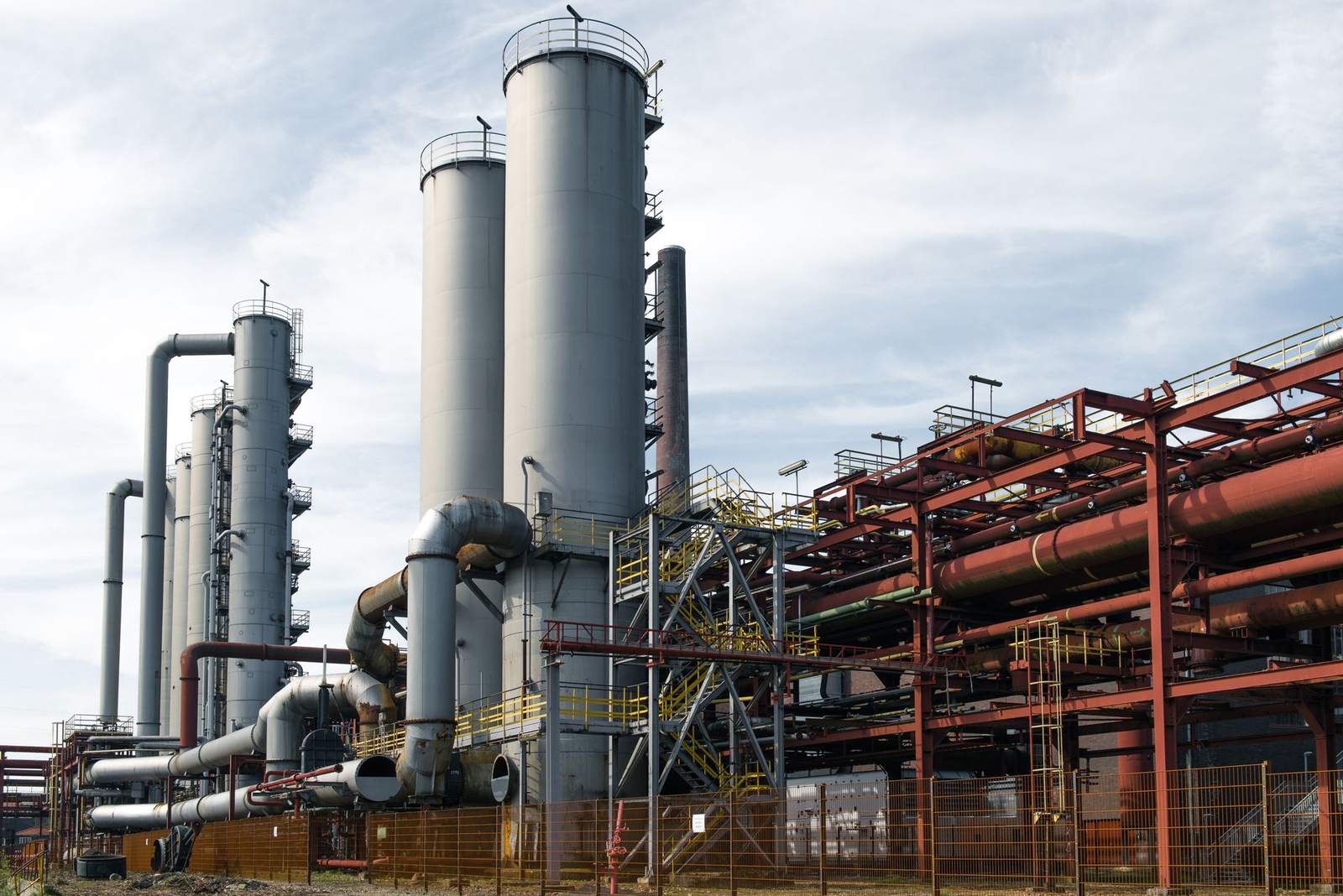
Hydrogen is already an everyday industrial gas, but almost all of it is fossil-based. According to the European Commission, hydrogen accounted for less than 2% of Europe’s energy consumption in 2022 and was primarily used to produce chemical products such as plastics and fertilisers. About 96% of that hydrogen was produced with natural gas, which means significant carbon dioxide emissions.
The IEA Global Hydrogen Review 2024 shows the same pattern worldwide: demand reached 97 Mt in 2023, up 2.5% on 2022, concentrated in refining and the chemical sector and mostly covered by hydrogen from unabated fossil fuels. Low-emissions hydrogen of all kinds, green hydrogen included, was produced at less than 1 Mt that year.
Green hydrogen therefore matters less as a new fuel than as a way to clean up existing hydrogen demand and to reach industrial heat and chemistry that electricity alone serves poorly.
How electrolysis produces hydrogen
Electrolysis uses electricity to split water into hydrogen and oxygen in a device called an electrolyser. The US Department of Energy describes electrolysers as a pair of electrodes, an anode and a cathode, separated by an electrolyte. The type of electrolyte defines the technology, and three families are in use.
- Alkaline electrolysers use a liquid alkaline solution and typically operate at about 60°C–90°C. It is the traditional design.
- Proton exchange membrane (PEM) electrolysers use a solid polymer that only lets hydrogen ions through and typically operate at about 70°C–90°C.
- Solid oxide electrolysers use a ceramic electrolyte and operate at very high temperatures, about 650°C–850°C. They can use heat from other sources to reduce the electrical energy needed.
Anion exchange membrane designs sit between alkaline and PEM and work at lower temperatures still, about 50°C–80°C, according to the same Department of Energy overview.
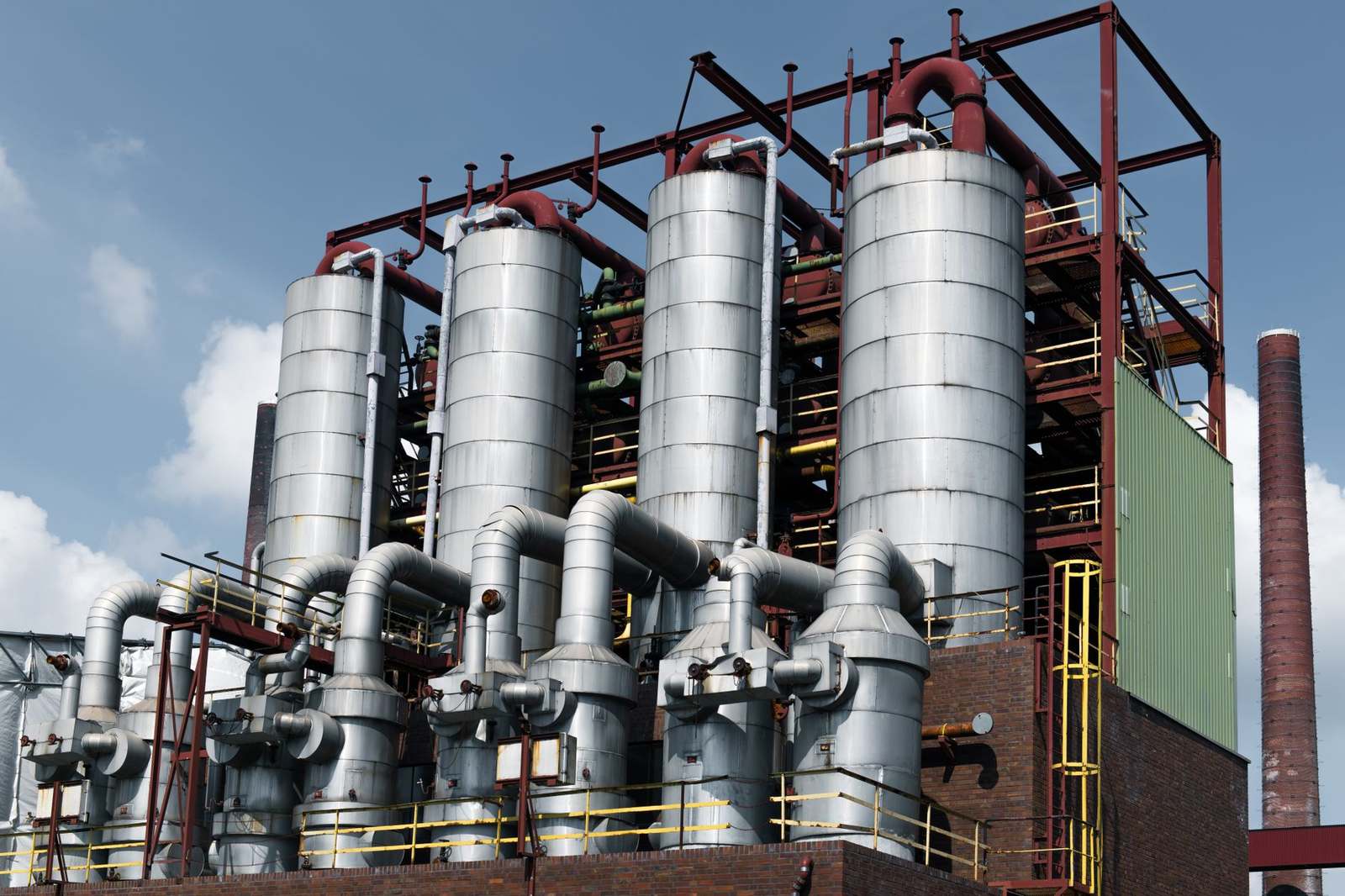
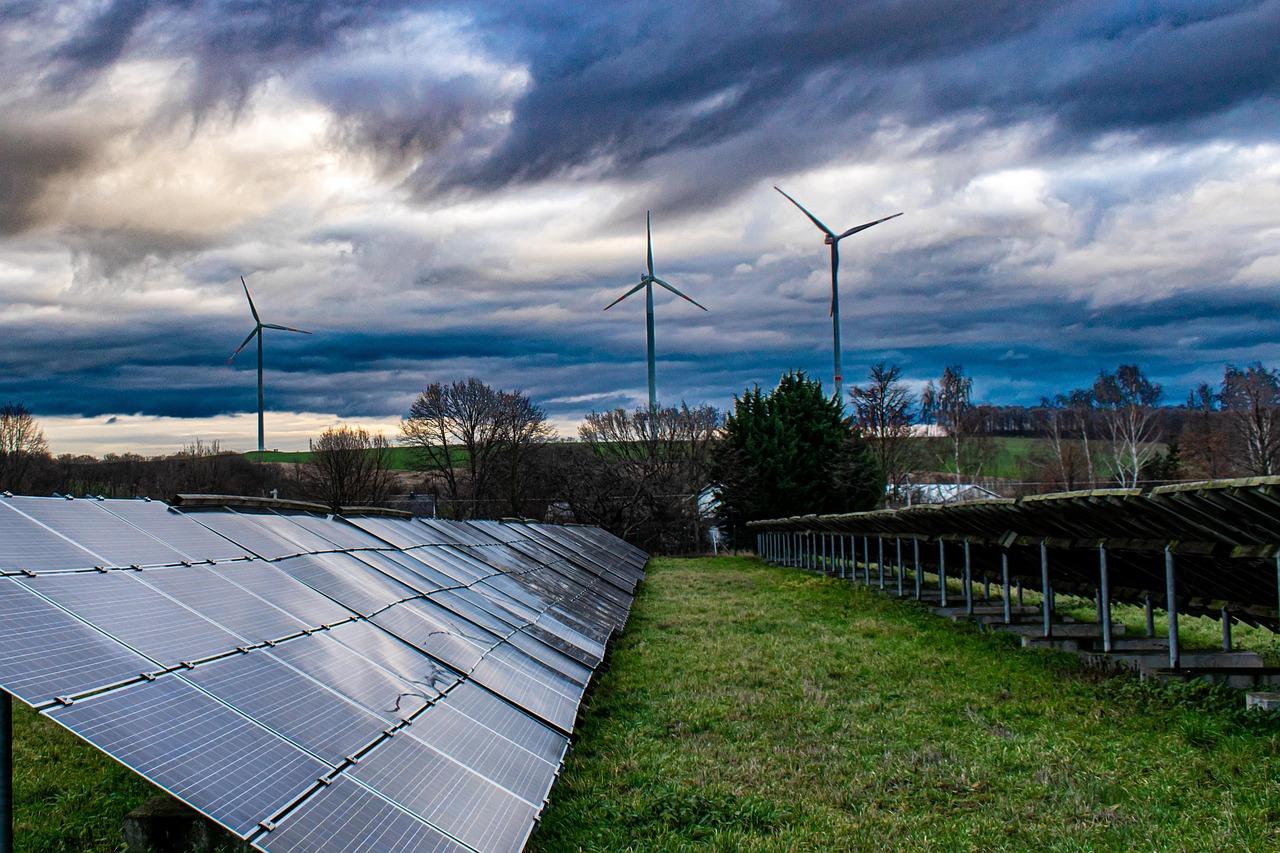
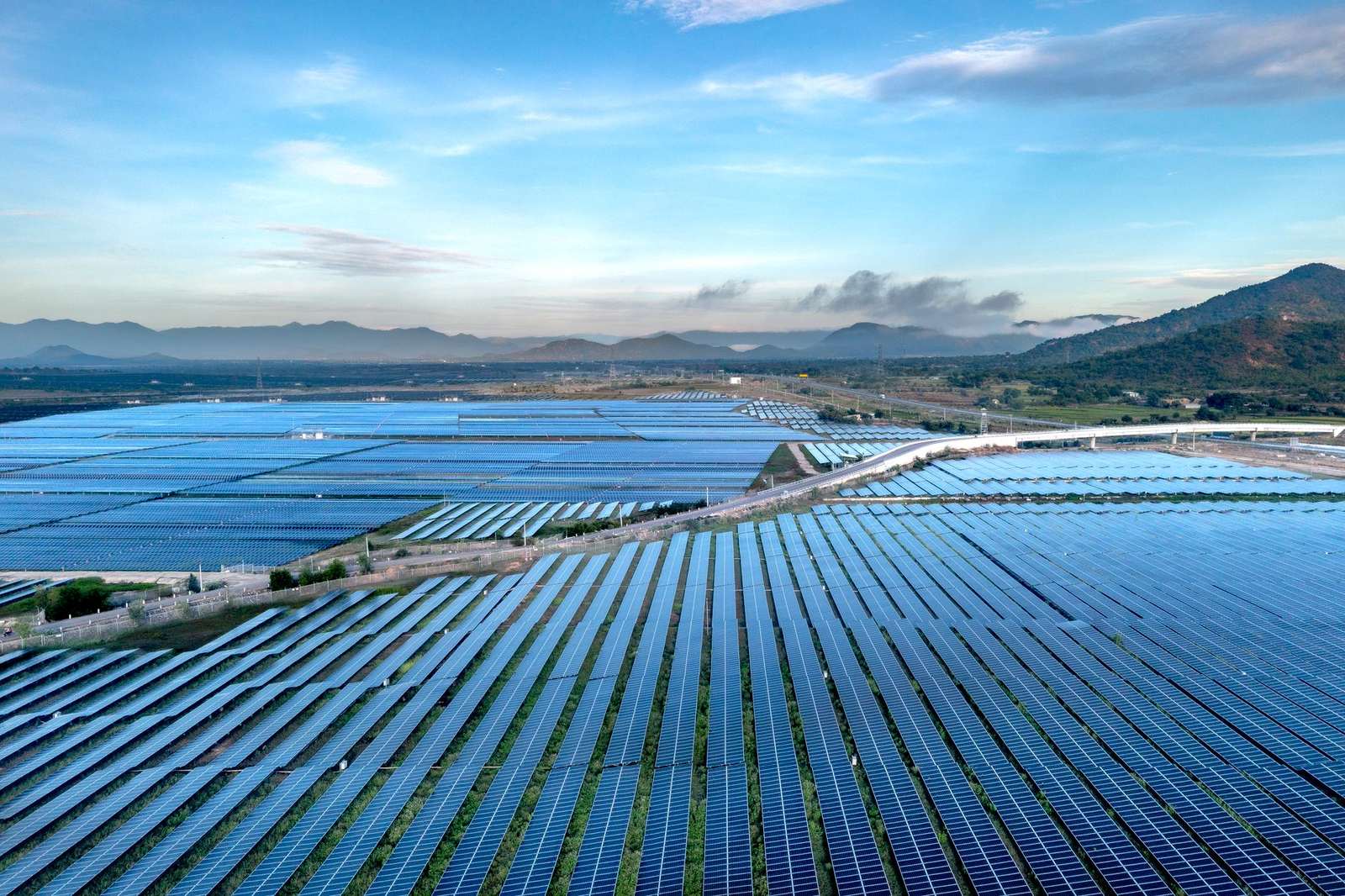
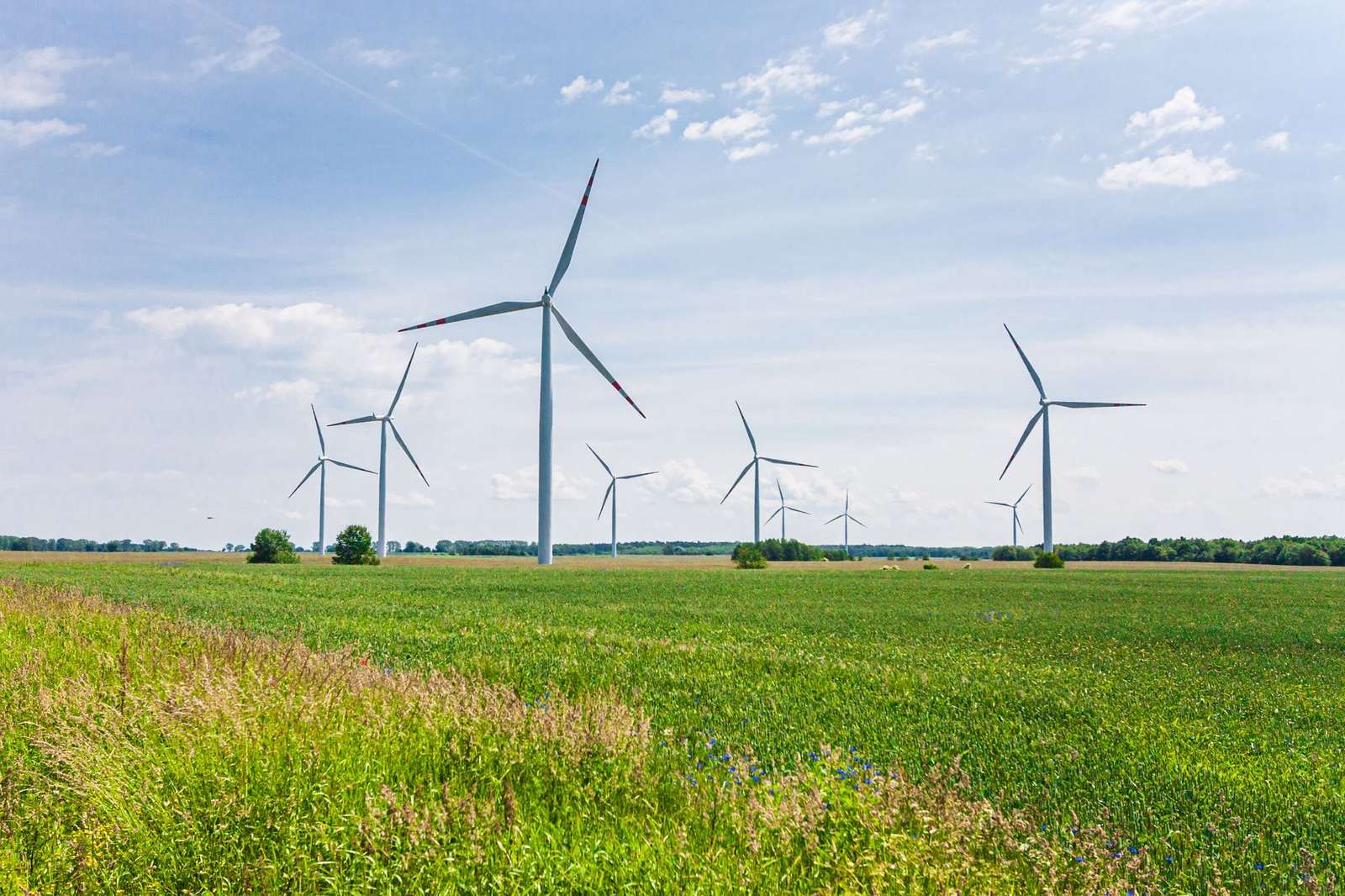
The electricity source is what makes the result green. An electrolyser on a coal-heavy grid makes hydrogen with a large footprint, which is why Europe defines renewable hydrogen by where the power comes from. Dedicated solar parks and onshore wind power plants are the natural suppliers of that electricity under the additionality rule described below.
EU rules for what counts as renewable hydrogen
The Commission explains that the EU framework includes binding targets for renewable hydrogen in industry and transport by 2030 under the revised Renewable Energy Directive, and that two delegated acts adopted in June 2023 define the product. The first sets the criteria for renewable fuels of non-biological origin (RFNBOs), the category that covers renewable hydrogen. The second sets the method for life-cycle emissions. Details are on the Commission hydrogen page.
The RFNBO act, the delegated regulation on renewable fuels of non-biological origin, turns “renewable” into testable conditions for grid electricity:
- Additionality. The renewable plant should be new. The regulation treats a generating installation as new if it came into operation not earlier than 36 months before the installation producing the fuel.
- Temporal correlation. Producers must show that production takes place in the same calendar month as the renewable electricity production. From 1 January 2030 the test tightens to the same one-hour period.
- Geographical correlation. The renewable plant and the electrolyser generally have to sit in the same bidding zone, so that there is no grid congestion between them.
There is also a shortcut: electricity can count as fully renewable when the installation sits in a bidding zone where the average share of renewable electricity exceeded 90% in the previous calendar year. The same regulation lets installations that come into operation before 1 January 2028 skip the additionality and temporal rules until 1 January 2038. These transition rules were written because, in the text’s own words, hourly matching faces technological barriers in the short term.
For hydrogen that is not fully renewable, the Commission adopted a further delegated act on 8 July 2025 for low-carbon hydrogen, which must reach a threshold of 70% greenhouse gas emission savings compared with unabated fossil fuels, as stated on the same Commission page. Green and low-carbon hydrogen are therefore separate legal categories.
Cost, scale and the project pipeline
Green hydrogen is more expensive than the fossil-based product, and the project pipeline has outrun actual delivery. The IEA reports that announced projects could bring low-emissions production to 49 Mtpa by 2030, driven mostly by electrolysis projects with almost 520 GW of announced capacity. Yet announced electrolyser capacity that has reached final investment decision stands at only 20 GW globally, and in Europe such decisions for electrolysis projects quadrupled over the last year to more than 2 GW, per the IEA executive summary.
On cost, the same IEA report expects low-emissions hydrogen from renewable electricity to fall to USD 2-9/kg by 2030 in its Net Zero Emissions by 2050 Scenario, half of today’s value, with the gap to unabated fossil production shrinking from USD 1.5-8/kg today to USD 1-3/kg. Under existing policies only, the cost range would fall around 30%.
The IEA also notes that China accounts for 60% of global electrolyser manufacturing capacity. It compares the situation to solar PV and batteries, where mass manufacturing drove costs down, and that comparison is relevant to anyone following how floating solar and other newer solar formats have matured.
Where green hydrogen is used
The first customers are those who already use hydrogen. The IEA describes demand as concentrated in refining and the chemical sector, and the Commission names chemical products such as fertilisers as the main use in Europe, so replacing fossil hydrogen in ammonia and refineries is the most direct use.
Beyond that, the IEA expects new applications in steel, shipping and aviation to emerge as the market develops. Governments are creating demand through policies such as Carbon Contracts for Difference in Germany and EU mandates in aviation and shipping. The cost impact on a finished product can be small: the IEA calculates that using steel produced with renewable hydrogen in an electric vehicle would increase its total price by around 1%.
The IEA places several industry and electricity generation applications at demonstration stage, with significant progress in transport applications, particularly in the shipping sector.
Limits and open questions
The IEA lists the reasons projects are being delayed or cancelled: unclear demand signals, financing hurdles, delays to incentives, regulatory uncertainties, licensing and permitting issues, and operational challenges. It adds that for the full pipeline to materialise the sector would need a compound annual growth rate of over 90% from 2024 until 2030, faster than solar PV managed at its peak.
Regulation is a second constraint. Strict additionality and hourly matching protect against greenwashing, but they also raise the cost of sourcing renewable power, which is one reason the 2023 regulation includes transition periods. Infrastructure is a third: the Important Project of Common European Interest Hy2Infra backs electrolysers, hydrogen pipelines, large-scale storage and handling terminals.
The Commission’s REPowerEU aim is to produce 10 million tonnes and import 10 million tonnes of renewable hydrogen by 2030, and for renewable hydrogen to cover around 10% of EU energy needs by 2050. Against less than 1 Mt of global low-emissions output in 2023 reported by the IEA, the gap shows how much of the sector remains a plan rather than a fact.
Frequently asked questions
Is green hydrogen the same as renewable hydrogen?
Show answer
In EU law, renewable hydrogen is the legal term and covers hydrogen made from renewable electricity under the RFNBO rules. Green hydrogen is the common name for the same product.
What is the difference between green and low-carbon hydrogen?
Show answer
Green hydrogen is made by electrolysis with renewable electricity. EU low-carbon hydrogen can come from other routes but must achieve a 70% greenhouse gas saving against unabated fossil fuels.
How do electrolyser types differ?
Show answer
Alkaline and PEM units run at about 60°C–90°C and 70°C–90°C respectively, while solid oxide units run at 650°C–850°C and can use outside heat to reduce the electricity needed.
Why does the source of electricity matter so much?
Show answer
The electrolysis step itself emits no carbon dioxide, so the footprint depends on the power. The EU rules therefore require new renewable plants, matching in time and location, or a grid that is already very renewable.