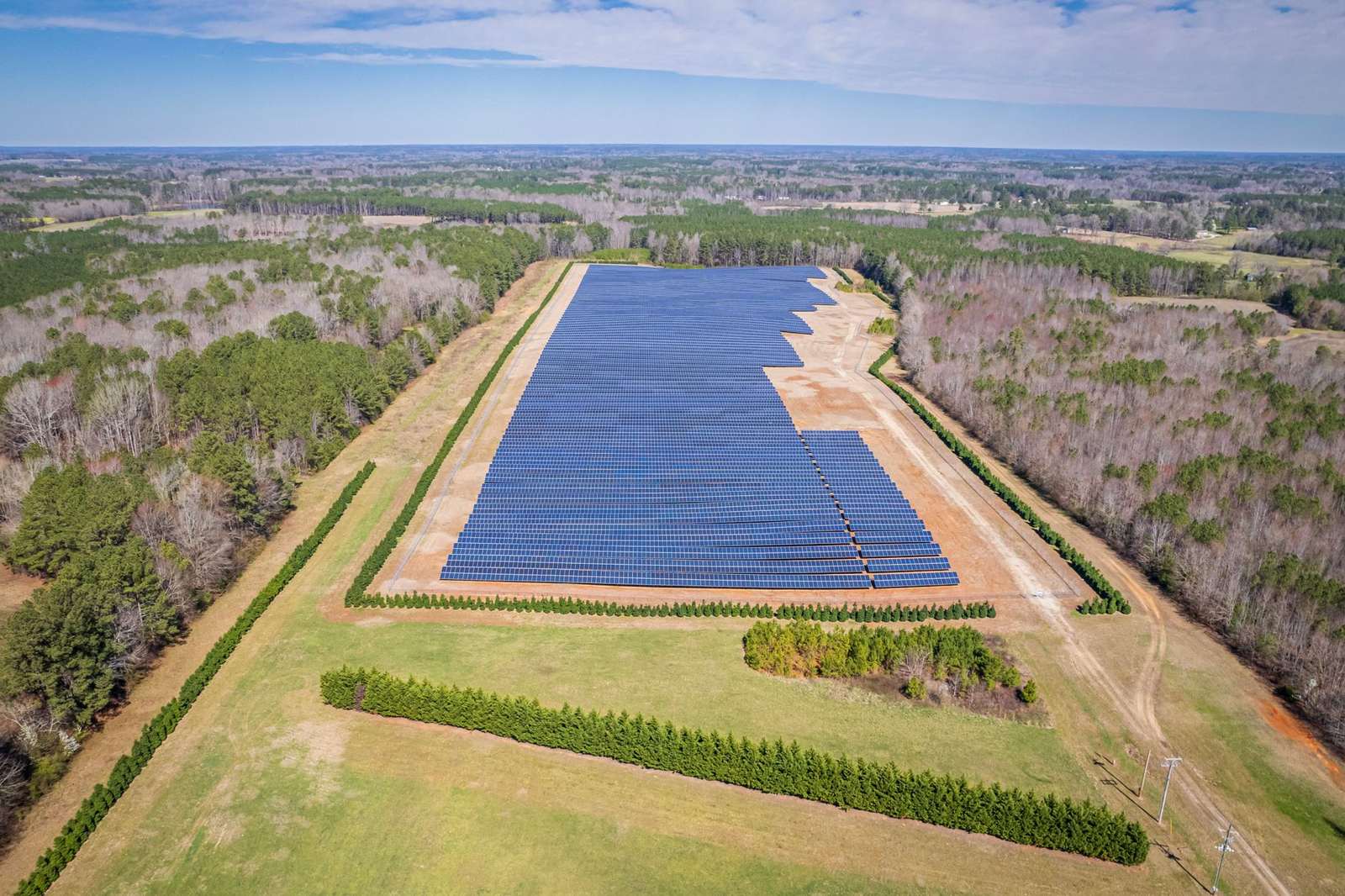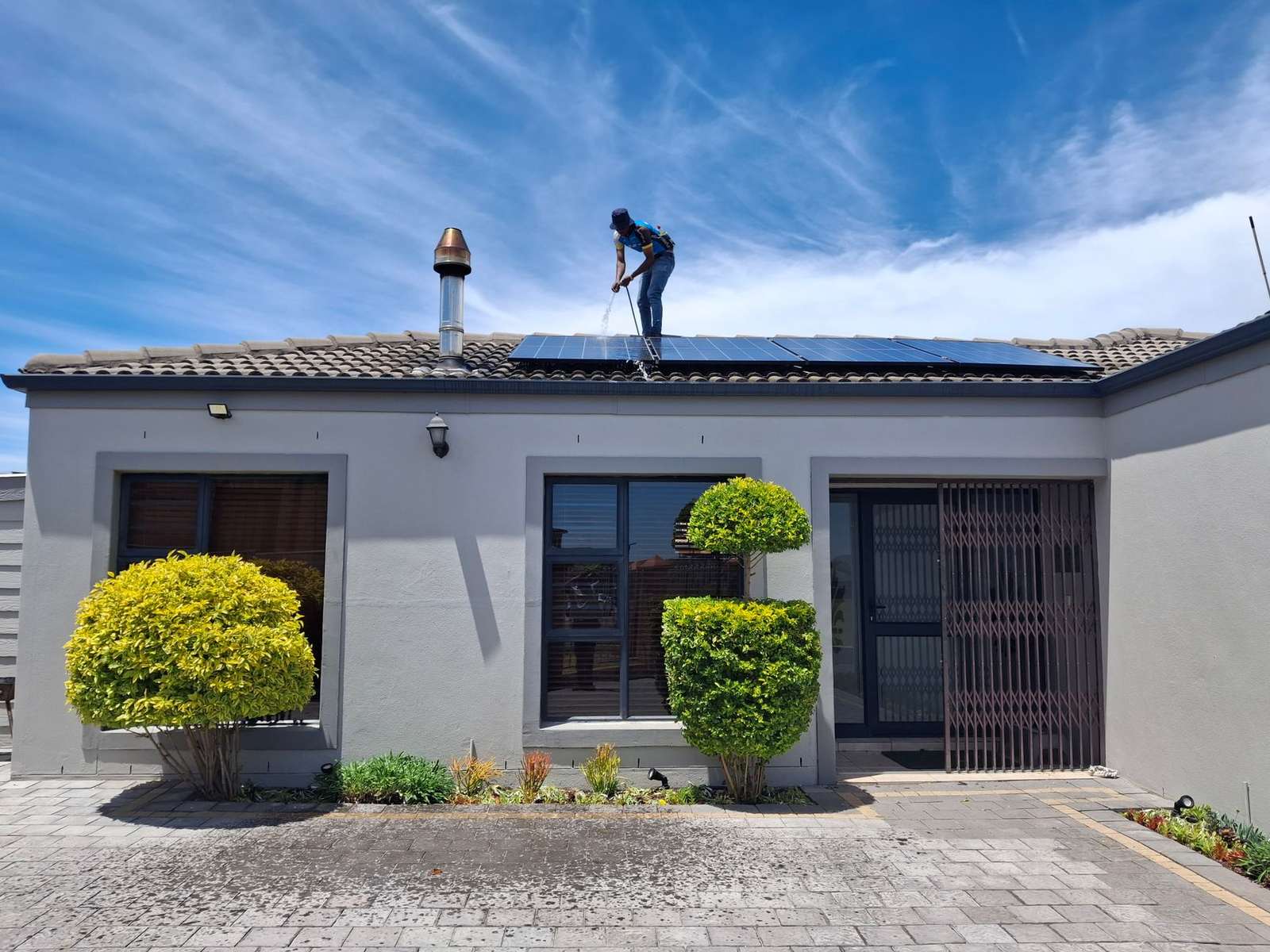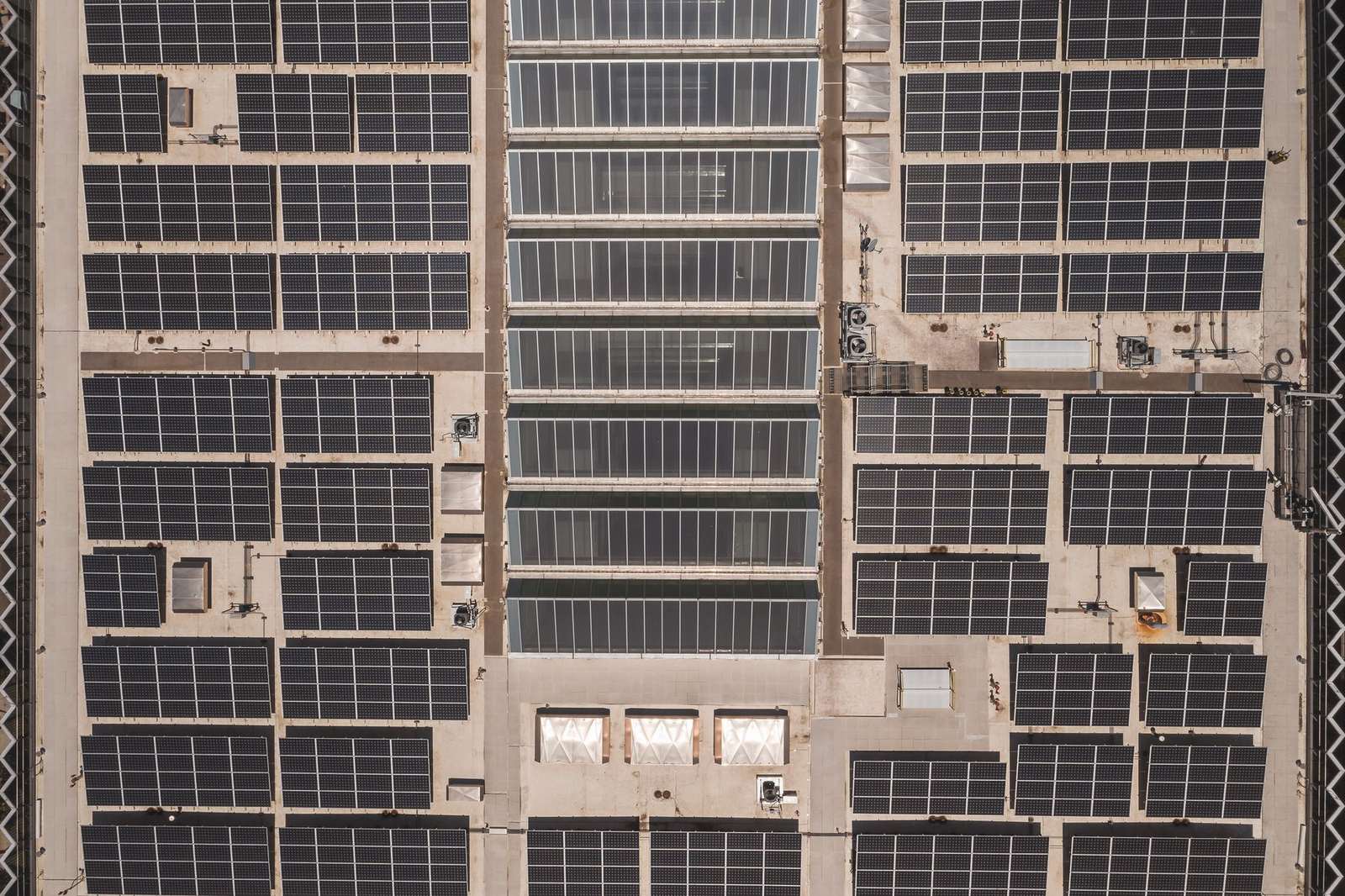
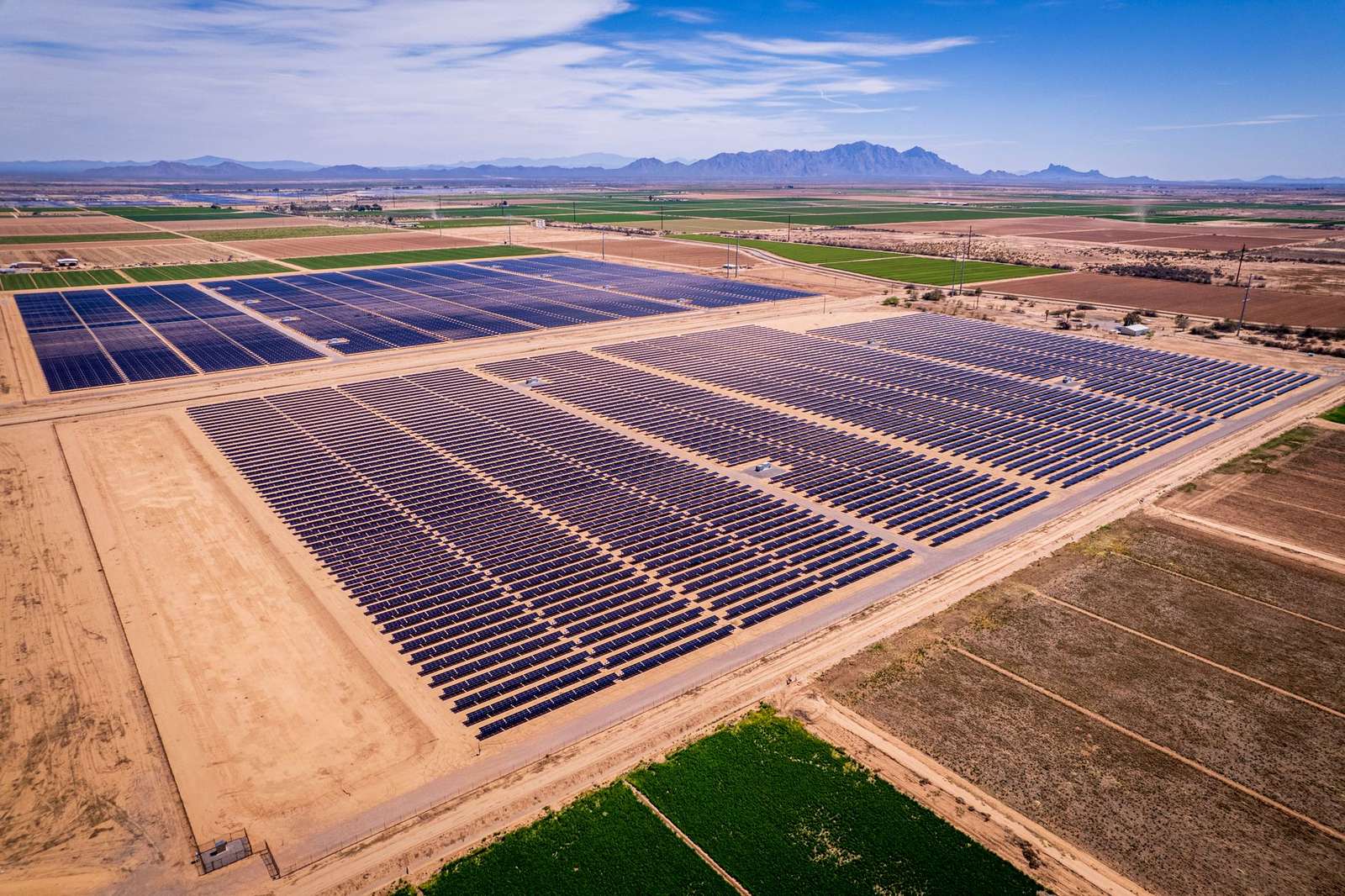
Solar O&M services are the operations and maintenance work that keeps a photovoltaic plant producing: monitoring, inspections, repairs, cleaning, site care and reporting, delivered under a defined contract with measurable targets.
This page is the overview for the solar energy category. It explains what the services include, how they are measured and priced, and where each topic is covered in more depth across this site.
| Key fact | Detail |
|---|---|
| Module degradation rate | Often about 0.5% per year |
| Achievable performance ratio and availability | 85% and 95% |
| Definition of availability | Time operational and able to deliver power if solar resource, grid work |
| Cleaning reduces summer losses in hot humid climates | Cuts summer production losses by as much as 6-8% |
| Climate zones in IEA O&M guidance | O&M service in seven different climate zones |
Figures from www.energy.gov and iea-pvps.org; they can change, so check the source before you rely on them.
What solar O&M services cover
A photovoltaic plant has few moving parts, yet it is exposed to heat, humidity, ultraviolet light, wind, dust and animals for decades. Operations and maintenance exists because small faults, left unattended, turn into lost energy and, in the worst cases, into safety incidents. The work divides into two broad halves. Operations covers running the plant: watching production, handling grid and market requirements, reporting, and managing permits and insurance claims. Maintenance covers the physical state of the plant: inspecting, cleaning, testing, repairing and replacing components.
The IEA Photovoltaic Power Systems Programme describes the scope in its guidelines for operation and maintenance of photovoltaic power plants. The guidelines are organised around O&M performance indicators and standard operator services, monitoring and analysis of plant performance and safety, the different types of maintenance services and advanced inspections, and climate-specific recommendations. That structure is a useful checklist for anyone trying to understand what a service package should contain.
In practice the services fall into a handful of groups:
- Monitoring and performance analysis of energy flows, alarms and weather data.
- Preventive maintenance carried out on a schedule, such as electrical checks, mechanical inspections and vegetation control.
- Corrective maintenance after a fault, including diagnosis, repair and spare parts logistics.
- Cleaning and site management, including soiling and snow mitigation.
- Reporting and compliance, covering contractual indicators, grid code obligations and health and safety.
The commercial side of running a plant, such as budgeting, financing covenants and owner reporting, is usually called asset management and sits above the technical work. The roles are compared in the page on solar asset management, which separates the technical and commercial responsibilities that are often bundled together in a single contract.
Good O&M is mostly about discipline rather than heroics. A plant with complete records, a clear task list, trained staff and reliable data will usually find problems sooner and fix them faster than one that relies on occasional visits and memory. Documentation matters for another reason: owners, lenders and insurers all rely on maintenance logs, inspection reports and performance data when they judge the condition of a plant, negotiate a sale or assess a claim. For that reason, a competent service package treats record keeping, work orders and reporting as deliverables in their own right, not as paperwork that happens in the background.
Preventive maintenance and inspections
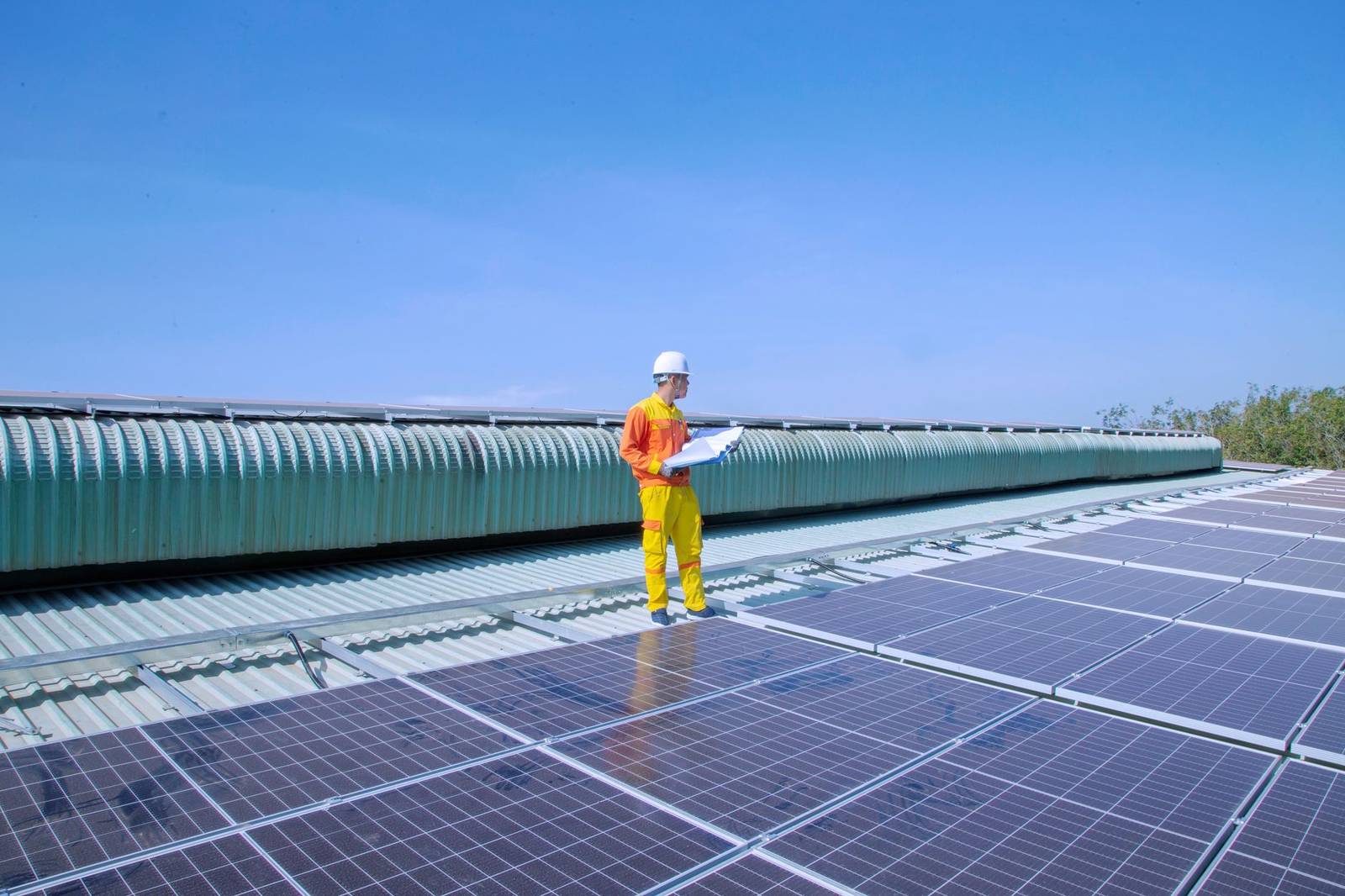
Preventive maintenance is the scheduled part of the service. Its purpose is to find degradation before it reduces output, and to keep the plant within its safe operating envelope. The IEA PVPS guidelines state that the most important actions in a preventive plan include periodic sampling of individual electrical measurements at module level, soiling and snow mitigation, site and vegetation management, and keeping balance of systems and SCADA monitoring systems operational, as set out in the report summary. The same summary adds that preventive maintenance action plans that exclude redundant activities can bring costs down.
A typical visit combines several checks. Inspectors look at module surfaces and frames for cracks, delamination and discolouration. They check mounting structures and fasteners, cable runs and connectors for wear, rodent damage or loose terminations, and combiner boxes and inverters for heat marks, dust and ventilation problems. On the electrical side, they sample string currents and voltages and compare them against neighbouring strings. On the ground, they cut grass and manage vegetation so that shading does not creep in, and the same visit can double as an opportunity to decide whether cleaning is needed.
Thermal imaging is a standard tool for finding hidden defects. The US Federal Energy Management Program lists, among its recommendations for a damaged system, that operators should undergo thermal, UV, or infrared imaging to identify hidden damage. The IEA PVPS summary describes aerial infrared and visual imagery as powerful tools for diagnosing faults, especially for power losses, while noting that turnkey aerial diagnostics for large-scale plants do not yet exist because wireless communication and camera control technology limit the operational range.
The planning of intervals, task lists and sampling rules is covered in detail in the page on solar preventive maintenance. Intervals depend on plant size, design, complexity and environment, so there is no single schedule that fits every site.
Corrective maintenance and spare parts
Corrective maintenance starts when something fails or underperforms. It includes receiving the alarm, diagnosing the cause, dispatching a technician with the right tools and parts, repairing or replacing the component and confirming that production has returned to normal. The speed of this chain is what separates a minor outage from a long one, which is why response time is written into most contracts.
Inverters are the component most often at the centre of a corrective call, because they combine power electronics, cooling and software in a single cabinet. The FEMP guidance gives a simple rule for one common case: conduct electrical inspections after inverter nuisance tripping, and do not simply turn the system off and on, because that will likely not address the root problem. The failure modes and routine checks for these devices are set out in the page on solar inverter maintenance.
Spare parts planning matters as much as the repair itself. Fuses, connectors, communication modules and inverter components can have long lead times, and a plant that waits for a part loses energy every day. The IEA PVPS summary recommends that, in corrective maintenance and spare parts action plans, maintenance reserve accounts are set aside by the plant owner to foresee possible replacement costs. Whether spare parts are held on site, at a regional warehouse or by the manufacturer is a contract decision that should be made before the first failure, not after it.
Some corrective work addresses gradual losses rather than sudden faults. Modules lose a little output every year, and certain failure mechanisms accelerate that loss. The FEMP page notes that module age and degradation rate, often about 0.5% per year according to the PV O&M Best Practices report, is one of the factors that make performance vary, as stated in the FEMP guidance. The expected pace of ageing is explained in the page on the solar panel degradation rate, and one specific high-voltage failure mechanism is described in the page on potential induced degradation.
Monitoring and performance management
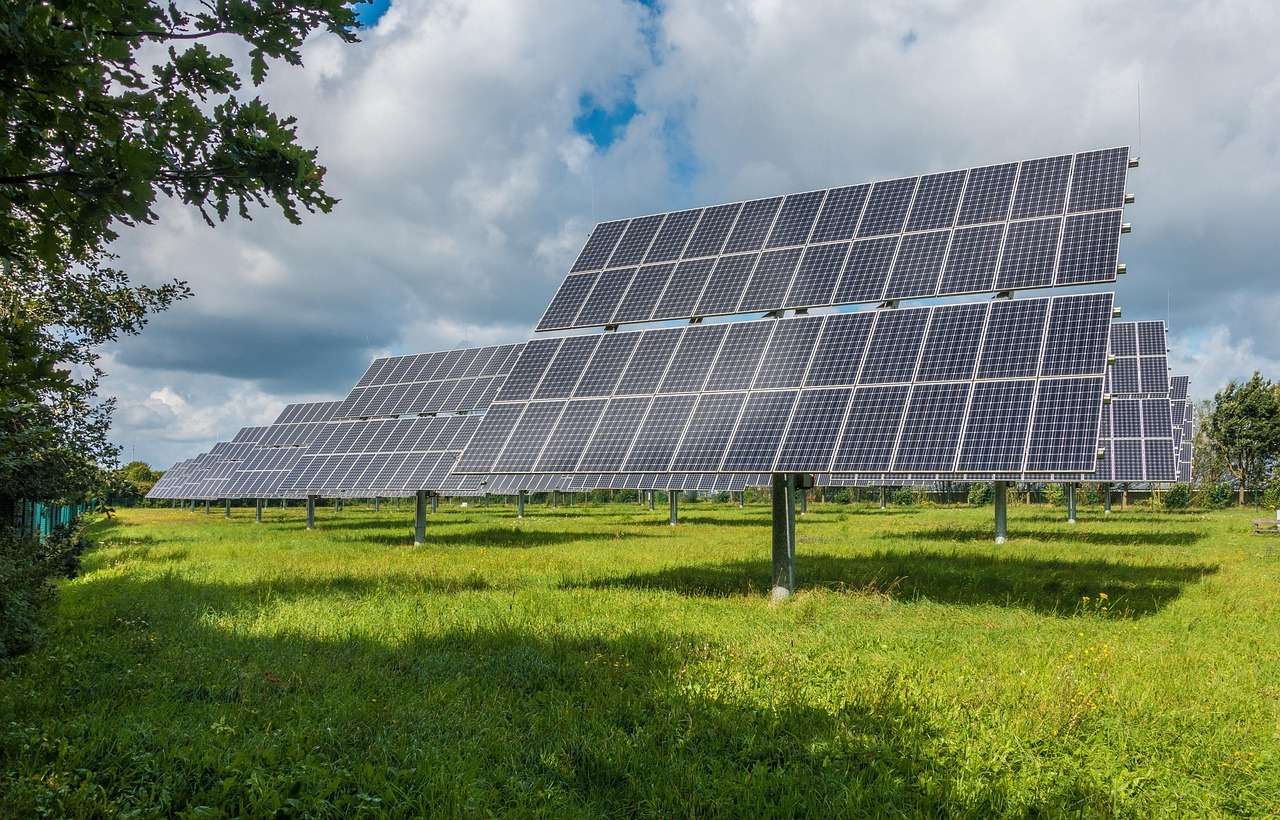
Monitoring is the nervous system of O&M. Sensors on inverters, strings, meters and weather stations feed a supervisory system that raises alarms and stores the data needed to judge whether the plant is performing as it should. The IEA PVPS summary states that the larger and more complex the plant, the more intensive the monitoring, and that minimum requirements are detailed in international standards such as IEC61724-1 as well as best practice guidelines such as the SunSpec Alliance, in the report summary.
Data collection alone does not improve a plant. The value comes from analysis: comparing measured output with expected output under the actual irradiance and temperature, spotting a string that has drifted away from its neighbours, and separating a real fault from a sensor error. The same IEA PVPS summary recommends predictive maintenance services with data collection devices on site to create an intelligent monitoring system that can reveal specific failures and underperformance. A detailed look at the architecture, alarms and data handling is given in the page on solar plant monitoring.
Two measures dominate performance reporting. The first is the ratio of actual production to the production predicted by a model from measured weather data, covered in the page on the solar performance ratio. The second is availability, which the FEMP guidance defines as the percentage of time that the system is operational and capable of delivering power if the solar resource and the grid are both working. The same guidance says that a performance ratio of 85% and availability of 95% should be achievable.
Not every loss is a defect. Grid operators and market conditions can force a plant to reduce output even when every component is healthy, and operators must be able to tell these cases apart from technical losses. That distinction is the subject of the page on solar curtailment. The IEA PVPS summary also stresses that operators need to be ready to comply with applicable grid codes and regulations, and to re-evaluate the scope of operations for contracts if grid codes change.
Contracts, KPIs and guarantees
Most utility-scale and commercial plants buy O&M as a contracted service, and the contract is where expectations are made measurable. The IEA PVPS guidelines say that an O&M contract should clearly describe the scope of the services and responsibilities of the operator, and should include at least one operator key performance indicator, such as Guaranteed Performance Ratio, Guaranteed Plant Availability, and Response Time, so that compliance can be measured in a straightforward way, according to the report summary.
The table below summarises the indicators that most often appear in contracts and technical reports, and what each one tells the reader.
| Indicator | What it measures | Typical use |
|---|---|---|
| Performance ratio | Actual energy against modelled energy for the measured weather | Contractual guarantee and technical benchmark |
| Availability | Share of time the plant can deliver power when sun and grid allow | Contractual guarantee, often with defined exclusions |
| Maintenance response time | Delay between an alarm and the arrival of a technician | Contractual service level |
| Soiling ratio | Output lost to dirt on the modules | Technical, to time cleaning |
| Degradation rate | Yearly loss of output of the modules or plant | Technical, for forecasts and warranty claims |
The indicator definitions follow the IEA PVPS report on technical and economic KPIs, which also records which indicators are contractually binding for which type of stakeholder.
The same report warns that, despite the nominal standardization of contractual KPIs such as the performance ratio and temperature-corrected performance ratio, there are still considerable variations in the data quality routines employed. In plain terms, two contracts that both promise a guaranteed ratio can mean different things if they treat missing data, sensor faults or outliers differently. Readers comparing proposals should therefore look at how the indicator is calculated, not only at the target value.
Contract scope also depends on who does what. Some owners keep the commercial functions in house and buy only technical services; others pass everything to one provider. Whichever model is chosen, the boundary between technical operations and asset management should be written down, along with the reporting duties, the handling of insurance claims and the responsibility for safety on site. The IEA PVPS summary adds that O&M operators must guarantee plant and worker safety by ensuring that staff are well trained and qualified, equipped with protective gear and tools, and aware of site-specific risks such as heights, water, fire and weather.
Cleaning, climate and site conditions
The right maintenance programme depends heavily on where the plant stands. The IEA PVPS guidelines provide customised guidance for seven different climate zones: moderate, hot and dry, hot and humid, desert at high elevation, flood-prone, cyclonic and snowy regions. Each has its own typical risks. In temperate regions, the summary advises that grass cutting should be combined with an inspection of the status of the modules to decide whether cleaning or corrective actions are required. In hot and dry regions, the emphasis shifts to wildlife risks and the logistics of visiting remote sites.
Dirt on the modules is one of the most visible controllable losses. For hot and humid regions the summary states that cleaning schemes can decrease production losses of PV modules by as much as 6-8% during summer months, which gives an idea of what a well-timed cleaning plan can recover under those conditions. Deciding when to clean is an economic question, because every cleaning has a cost and the benefit depends on how fast dirt builds up and how often rain does the job for free. The calculation is explained in the page on solar panel soiling losses.
Extreme weather needs its own routines. For flood-prone sites, the IEA PVPS guidelines list actions to prevent damage that include switching off the plant in anticipation of flooding and switching it back on only after technical inspection, since submerged inverters can short circuit and cause burn and fire risks. Cyclonic and snowy regions call for pre-season checks of mounting structures and post-event inspections. Whatever the climate, written procedures for before and after severe weather belong in the O&M plan.

Costs and how to read an O&M offer
O&M is usually quoted per installed capacity per year, which makes it easy to compare plants of different sizes. The IEA PVPS summary reports that typical costs for the base O&M scope, including soiling mitigation, range from 6.5 up to 16.5 €/kWp*year, while additional advanced diagnostics based on aerial infrared scans range from 0.5 to 3 € per PV module or array, as stated in the report summary. The wide range reflects differences in plant size, location, climate, scope and local labour costs, so these figures describe the market in general and not any particular offer.
When reading any O&M proposal, a few questions help separate comparable offers from misleading ones. Does the price include cleaning and vegetation control, or only inspections? Which spare parts and consumables are covered, and which are billed on top? Is availability measured against all hours or only daylight hours, and are grid outages excluded? How is the performance indicator calculated, and who owns the data? What happens when a guarantee is missed? The IEA PVPS guidelines state that a contract should set out acceptable compensation if operators fail to fulfil their obligations, so the remedy should be as clear as the target.
It also helps to see O&M in the context of the wider energy system. Plants are connected to national grids with their own rules, and European policy shapes how plants are supported and operated; the market background is summarised in the page on solar energy in europe. Solar is also only one of several technologies with its own operating practices, which are compared in the renewable energy guide.
Frequently asked questions
What do solar O&M services include?
Show answer
They include monitoring, scheduled inspections and preventive maintenance, corrective repairs, cleaning, vegetation and site management, and reporting against contractual indicators, with safety procedures running through all of them.
What is the difference between preventive and corrective maintenance?
Show answer
Preventive maintenance is scheduled in advance to find problems early, while corrective maintenance is triggered by a fault or an underperformance alarm and aims to restore normal production.
Which indicators are used to measure an O&M provider?
Show answer
The IEA PVPS guidelines point to Guaranteed Performance Ratio, Guaranteed Plant Availability and Response Time, and recommend that at least one of them is included in the contract.
Is thermal imaging part of routine maintenance?
Show answer
Infrared imaging is used to find hidden damage, and the IEA PVPS summary describes aerial infrared and visual imagery as powerful tools for diagnosing faults, although it is usually priced as an additional diagnostic service.
Does the climate change the maintenance plan?
Show answer
Yes. Heat, humidity, floods, cyclones and snow each bring different risks, which is why the IEA PVPS guidelines give separate recommendations for seven climate zones.