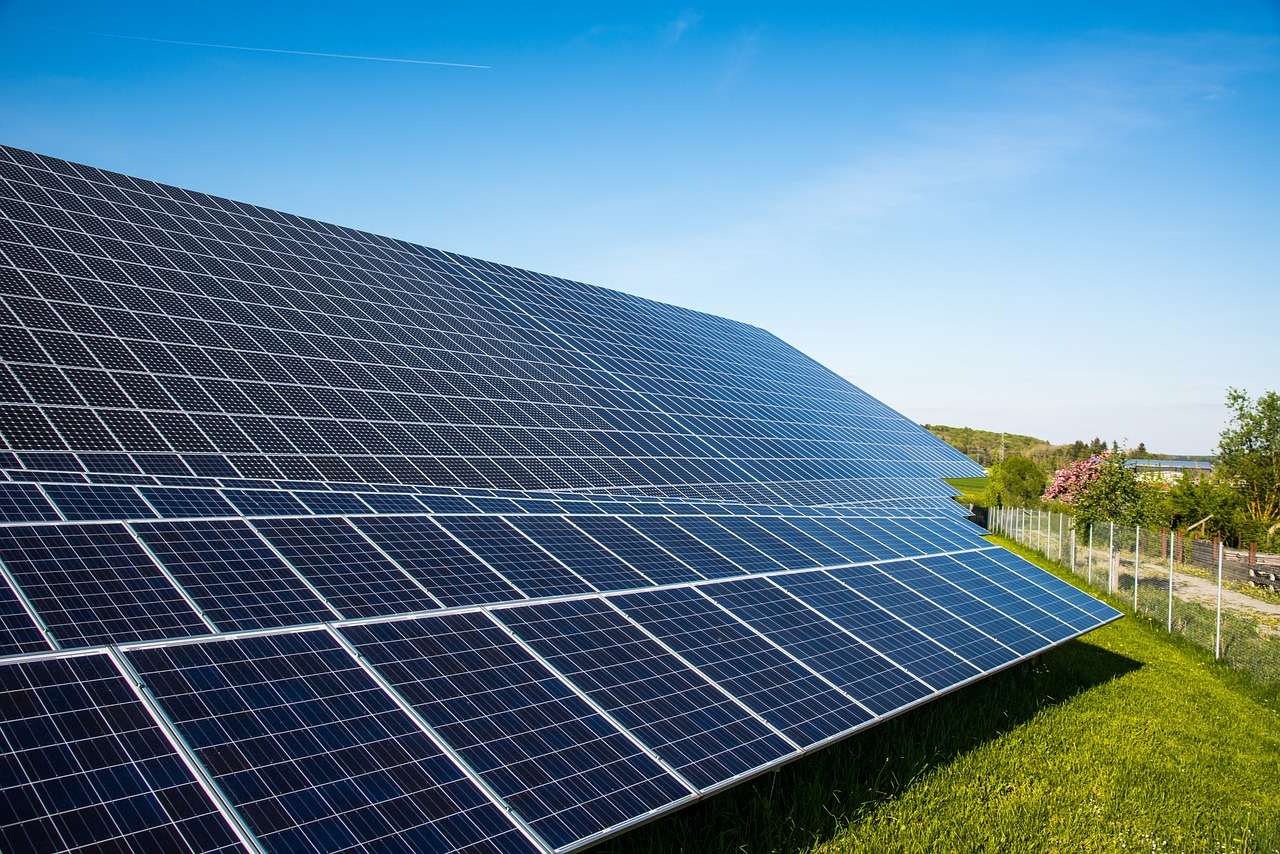
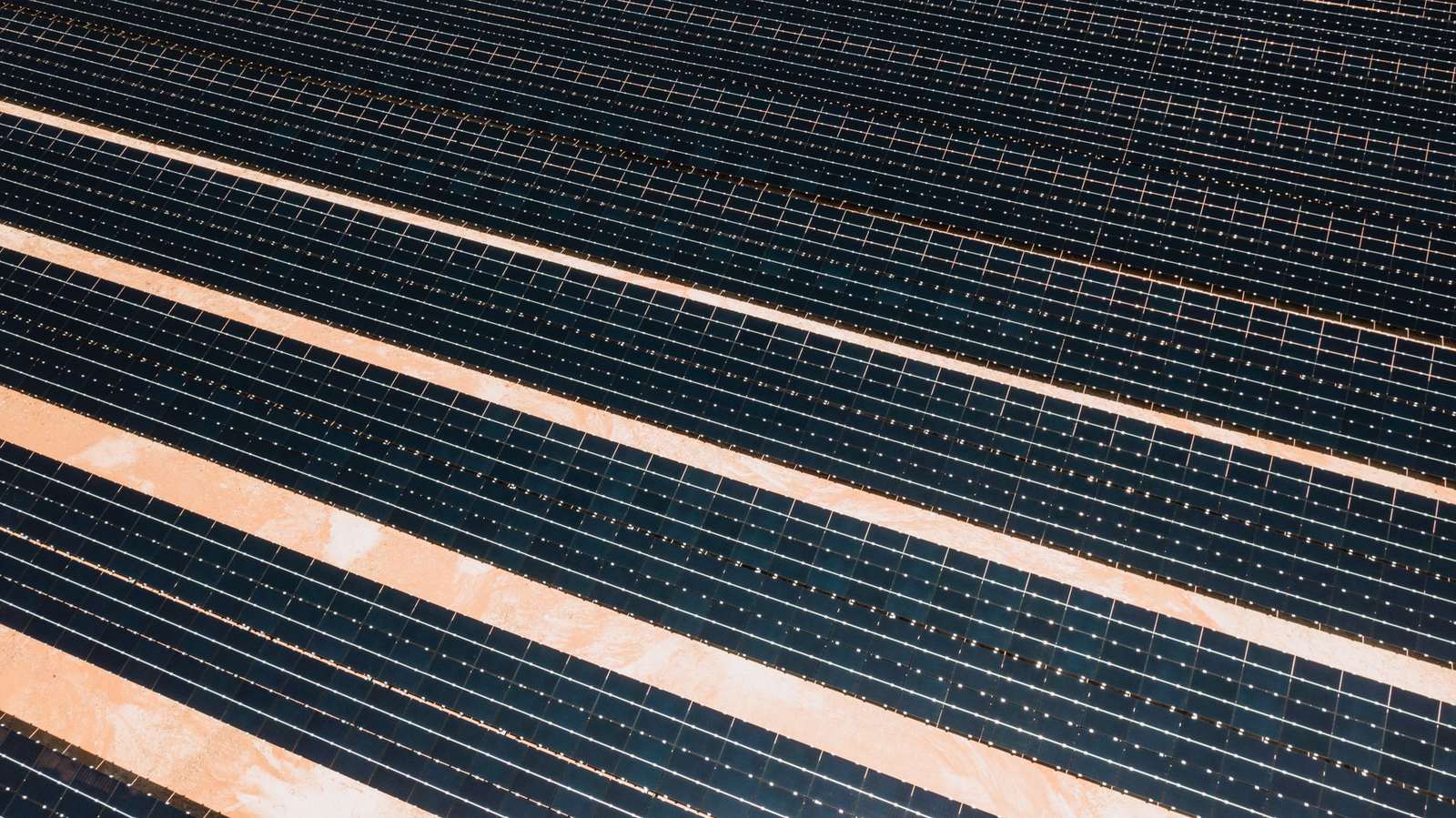
Solar panel soiling losses happen when dust, dirt, pollen, bird droppings or snow block sunlight from reaching the modules. Your cleaning strategy decides how much of that loss you recover.
Soiling is a controllable loss, which makes it a regular topic in solar O&M services. This page explains how large the losses are, what drives them and how to decide when cleaning pays.
| Item | What the sources say |
|---|---|
| Annual energy loss | Estimated at 3-5% of annual PV energy production |
| Where soiling occurs | Dusty equatorial regions, and high latitudes with snow cover |
| Soiling across a plant | Highly uneven; needs multi-sensor networks to assess rates accurately |
| Cleaning timing | Driven by soiling measurement, not a fixed calendar |
| Cleaning method and frequency | Site-specific, and can vary across a single site |
| Cleaning rules | Must comply with module warranty and the relevant IEC standard |
Sources: ISFH soiling report and SgurrEnergy O&M guide; this information can change, so check the sources for current details.
How large are soiling losses
An international report from the IEA PVPS programme describes soiling as significant at global scale. Its summary states that after irradiance, soiling is the single most influential factor impacting solar PV system yield and is estimated to cause a loss of annual PV energy production of 3-5%, corresponding to an economic loss on the order of 3-5 billion euros from higher operating, cleaning, and capital expenditures, as published on the report page.
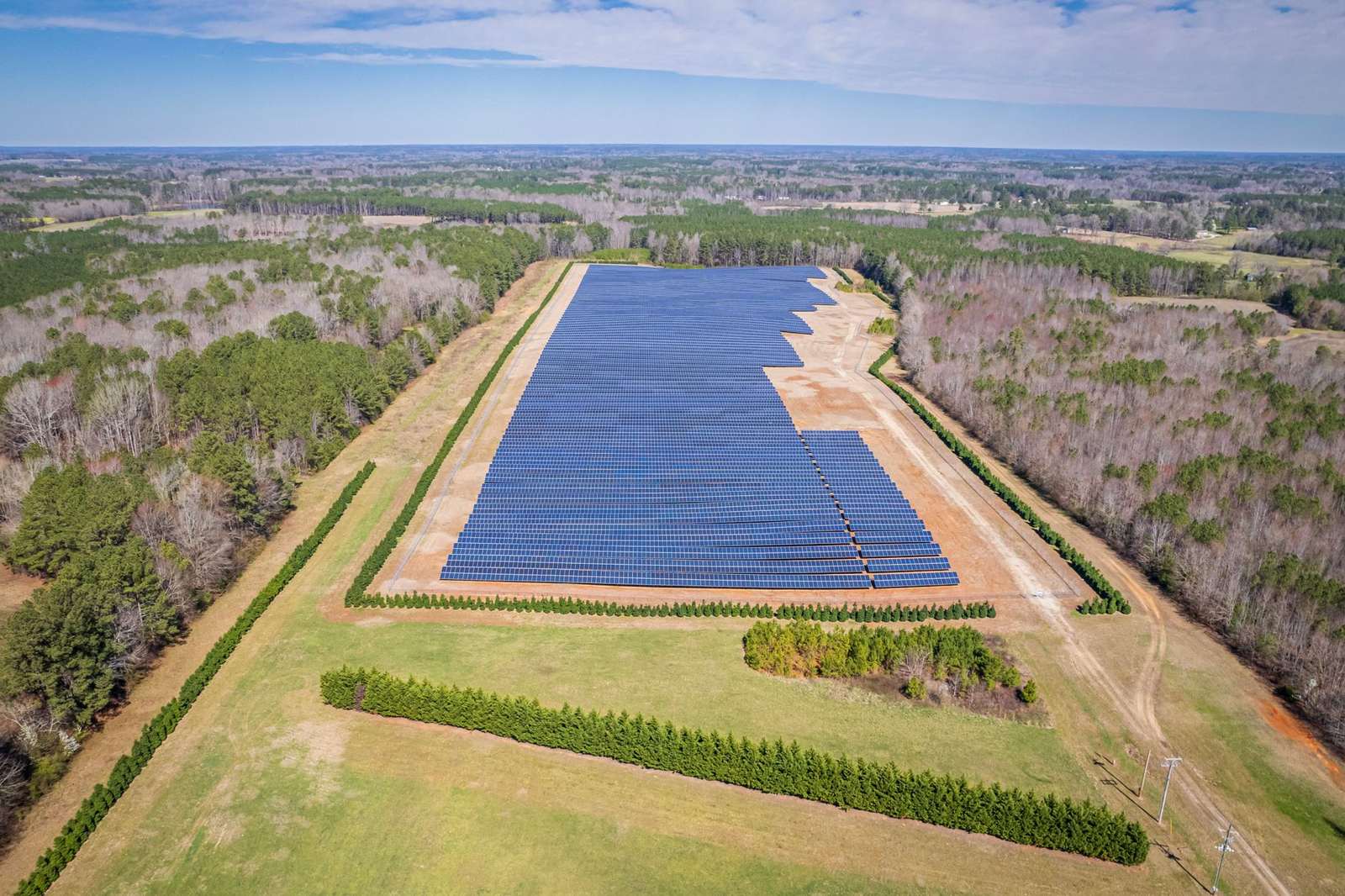
Averages hide large differences. The same report notes that soiling is a factor not only in equatorial regions around Africa and Asia with high atmospheric suspended particle densities, but also in high latitude regions because of snow cover as installations proliferate there. A plant in a desert, one beside a farm field and one in a snowy mountain valley face three different problems, and the plan for each should be different.
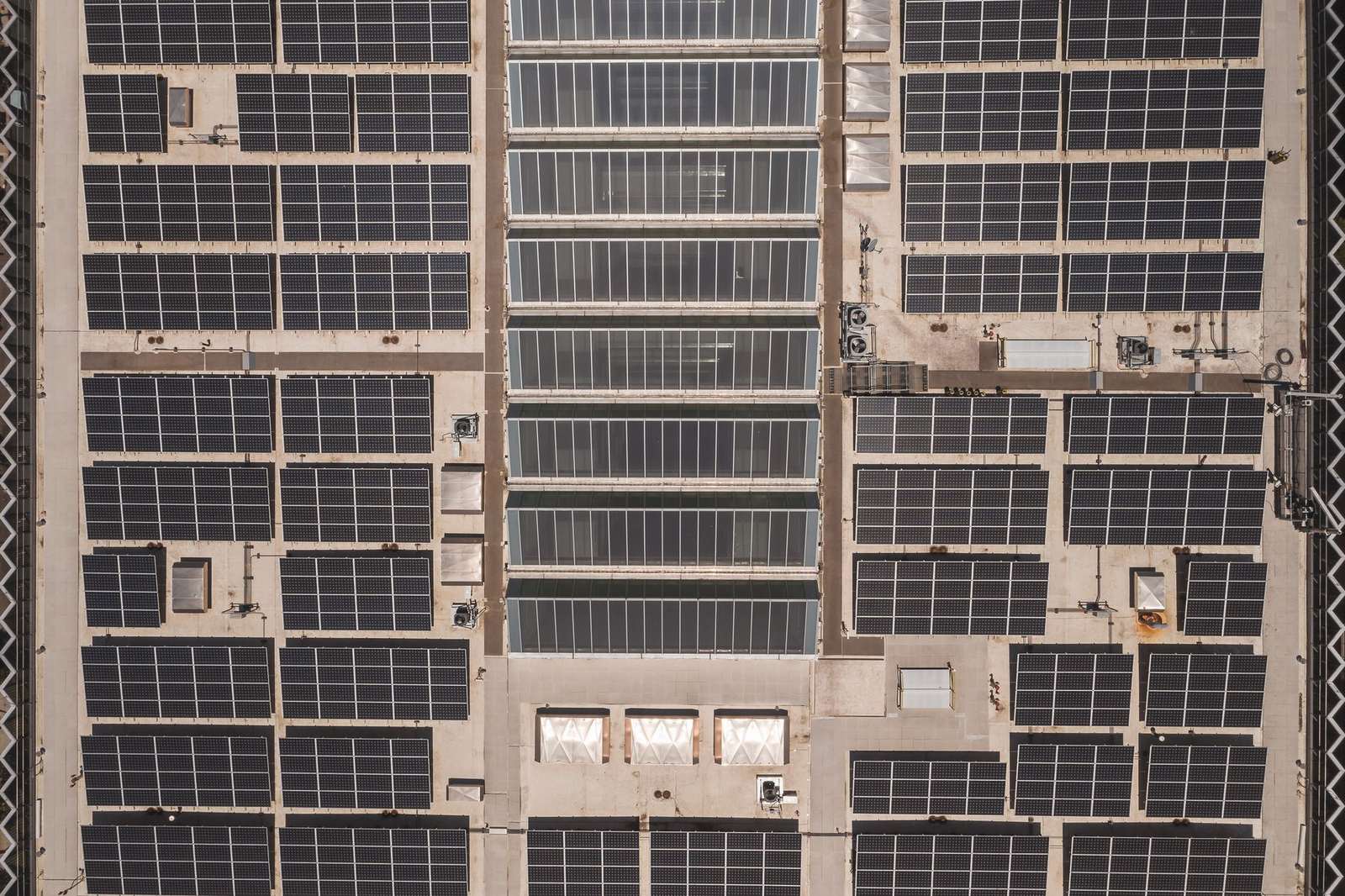
Soiling is also uneven within a site. The report states that PV soiling is highly heterogeneous, both at the module and plant level, and requires multi-sensor networks to accurately assess soiling rates and cleaning decision timelines. A single sensor at one corner of a plant can therefore mislead, and several sensors in different positions give a better picture.
What drives soiling
Three groups of factors matter. The first is the environment: dust from roads, fields and deserts, pollution from industry and traffic, pollen, sea salt and bird activity. The second is the weather: rain can wash modules clean, but light rain may only turn dust into a film, while dry spells let dirt accumulate. The third is the installation: tilt angle, module surface and frame design all affect how dirt collects, and low-tilt arrays tend to hold more of it.
Vegetation is another contributor. The IEA PVPS O&M guidelines note for hot and humid regions that rapidly growing plants can have a soiling impact in the form of dust accumulation, and recommend site and vegetation management as part of the preventive plan. Even in temperate regions, mowing creates dust and the guidelines advise combining grass cutting with an inspection of the status of the modules.
Measuring soiling
Cleaning decisions are only as good as the measurement behind them. Two approaches are common: reference sensors and performance data. Soiling sensors compare a cleaned reference module or cell with a dirty one, and the difference shows the loss directly. Performance data approaches look for a sawtooth pattern in the performance ratio, where output declines between cleanings or rains and jumps after them.
The SgurrEnergy best practice guide says that cleaning should be driven by soiling measurement, using reference stations and laboratory swab analysis, rather than by a fixed calendar, so cleaning spend is targeted where it recovers the most yield. The same guide notes that both the method and the frequency of module cleaning are site-specific, and can vary across a single site, in its guide to utility-scale O&M.
Measurement also protects the performance ratio. A soiled irradiance sensor under-reads sunlight and makes the plant look better than it is, which is one of the misreadings explained in the page on the solar performance ratio.
Cleaning strategy and economics
Cleaning costs money, so the aim is to clean when the energy recovered is worth more than the cost. For hot and humid regions, the IEA PVPS guidelines state that cleaning schemes can decrease production losses of PV modules by as much as 6-8% during summer months, as set out in the guidelines summary. That figure describes the potential recovery in one climate and season, not a rule for every plant.
A sensible cleaning plan works through the following steps:
- Estimate the daily soiling rate from sensors or performance data in each season.
- Estimate the value of the energy lost per day, using the plant’s tariff or market price.
- Compare the cumulative loss with the cost of a cleaning round, and clean when the loss reaches the cost.
- Adjust the plan for rain forecasts, since a heavy rain can make a planned cleaning pointless.
- Record the result of each cleaning so that the next decision uses real data.
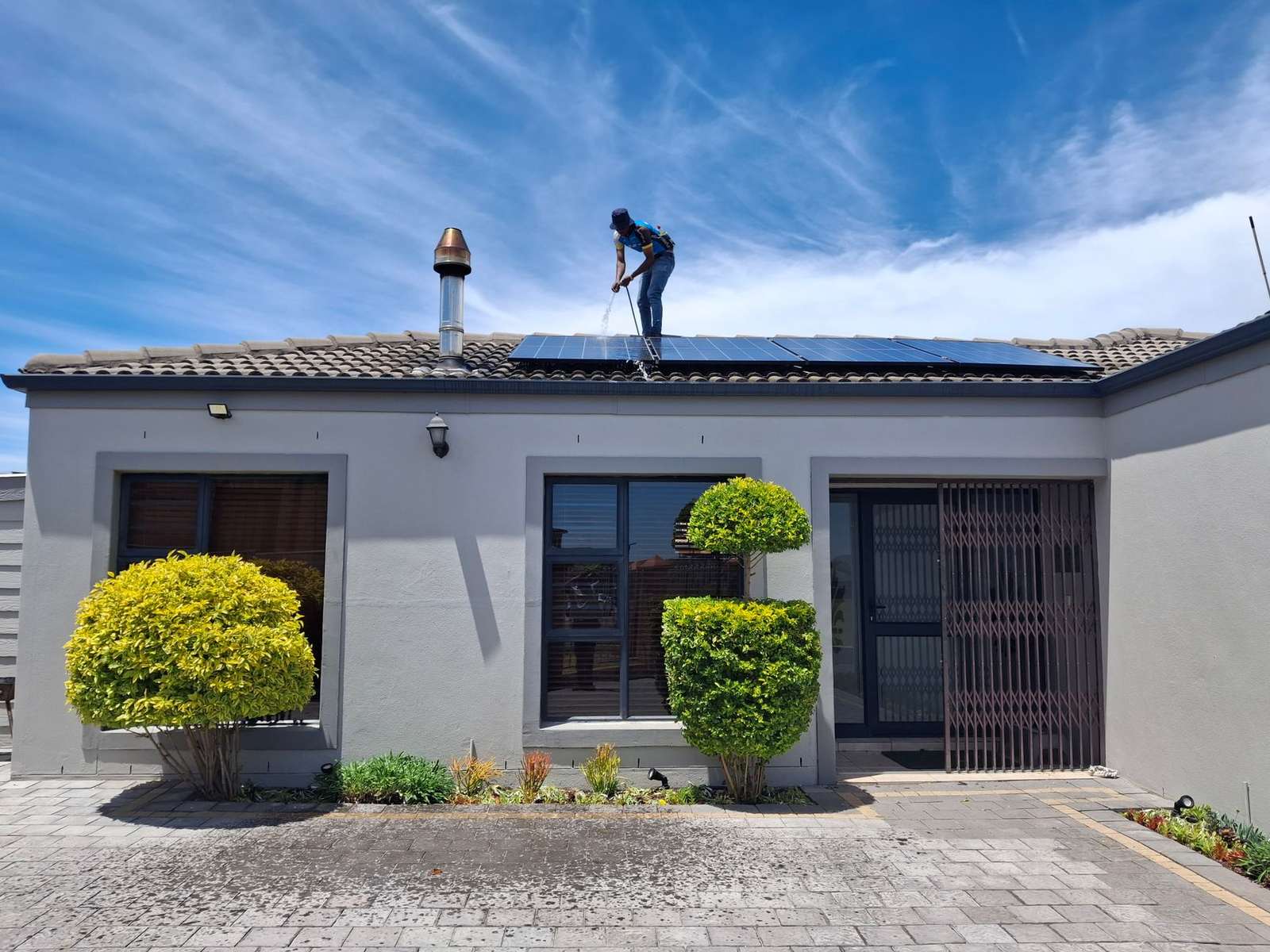
The method of cleaning needs care. The SgurrEnergy guide states that cleaning must comply with the module warranty and the relevant IEC standard, and should use high-quality de-ionised water. Abrasive tools, hard water or harsh chemicals can damage coatings and void warranties. The IEA PVPS guidelines add, for temperate regions, that special attention must be paid to selecting cleaning products and that expert recommendations on suitable products should be followed.
Who decides and who pays
Cleaning sits between technical and commercial roles. The O&M contractor usually performs it, either within a fixed fee or as a separate priced item, while the asset manager decides how much to buy and checks the result. The split of roles is discussed in the page on solar asset management. Contracts should say whether cleaning is included, how often, with which method and who bears the cost of water and access.
Alternatives to repeated cleaning exist: anti-soiling coatings, robotic cleaners, steeper tilt angles and, in snowy areas, snow management. Each has its own cost and risks, and the cleaning plan should show why the chosen mix is cheaper than the loss it avoids. The performance ratio then shows over time whether it worked.
Timing deserves a final word. Cleaning just before a long dry, sunny period recovers the most energy, while cleaning just before rain wastes money. Many operators therefore schedule rounds around the local seasons, keep a flexible buffer in the contract for extra rounds after dust storms or pollen peaks, and review the results at the end of each season to refine the next plan. Over several years, the records show which parts of the site soil fastest and deserve more frequent attention.
Frequently asked questions
How much energy do soiling losses cost?
Show answer
An IEA PVPS report estimates a loss of annual PV energy production of 3-5% worldwide, with large differences between regions and sites.
How often should solar panels be cleaned?
Show answer
It depends on the site. Cleaning should be driven by soiling measurements and economics, not by a fixed calendar.
Does rain clean solar panels?
Show answer
Heavy rain can wash modules clean, but light rain may leave a film of dirt, so rain alone cannot be relied on in dusty places.
Can cleaning damage the modules?
Show answer
Yes, if the method or the products are wrong. Cleaning must follow the module warranty and the relevant IEC standard, and use suitable water and products.