The EU solar strategy is the European Commission’s plan to speed up photovoltaic deployment, adopted under REPowerEU. It combines capacity goals with rooftop rules, faster permitting, skills programmes and industrial support for the solar value chain.
The strategy is one piece of the wider picture covered in the guide to solar energy in Europe, which places it next to national markets, grids and technology trends.
| Key fact | Detail |
|---|---|
| Solar’s role in EU renewable electricity, 2025 | Solar supplied 27.5% of renewable electricity |
| Rooftop PV potential | Could provide almost 25% of EU electricity consumption |
| Rooftop solar permitting | Proposed limit of a maximum of 3 months, large installations included |
| Renewables 2030 target | Proposed increase of the renewables share target to 45% |
Figures from energy.ec.europa.eu and eur-lex.europa.eu, plus the NZIA and SolarPower Europe pages; they can change, so check the source before you rely on them.
What the EU solar strategy set out to do
According to the European Commission’s solar energy page, the Commission adopted an EU solar energy strategy in May 2022 as part of the REPowerEU plan. The document identifies the remaining barriers in the solar sector and outlines initiatives to overcome them. It set the objective to deliver over 320 GW of solar photovoltaic by 2025, which the EU surpassed, and at least 600 GW by 2030 (all in alternating current).
Behind those figures is a simple logic. Solar is the fastest route to add clean electricity, and it reduces the dependence on imported fossil fuels that REPowerEU was designed to address. The strategy therefore treats deployment speed as the main variable and looks for the bottlenecks that slow it down: roof access, permitting queues, a shortage of installers and exposure to supply-chain disruption.
The same Commission page notes that solar is the most accessible renewable energy for households and can help protect consumers from volatile energy prices. In 2025, 47.3% of the electricity generated in the EU came from renewables and 27.5% of renewable electricity came from solar energy, according to the Commission’s solar data, which cites Eurostat. Solar has therefore moved from a niche technology to a core pillar of the electricity system.
The strategy itself is a communication, not a regulation. Its binding elements arrived through separate legislation: the revised Energy Performance of Buildings Directive for rooftops and the revised Renewable Energy Directive for permitting. The legal framework for renewables more broadly is explained in the article on the EU Renewable Energy Directive.
The European Solar Rooftops Initiative
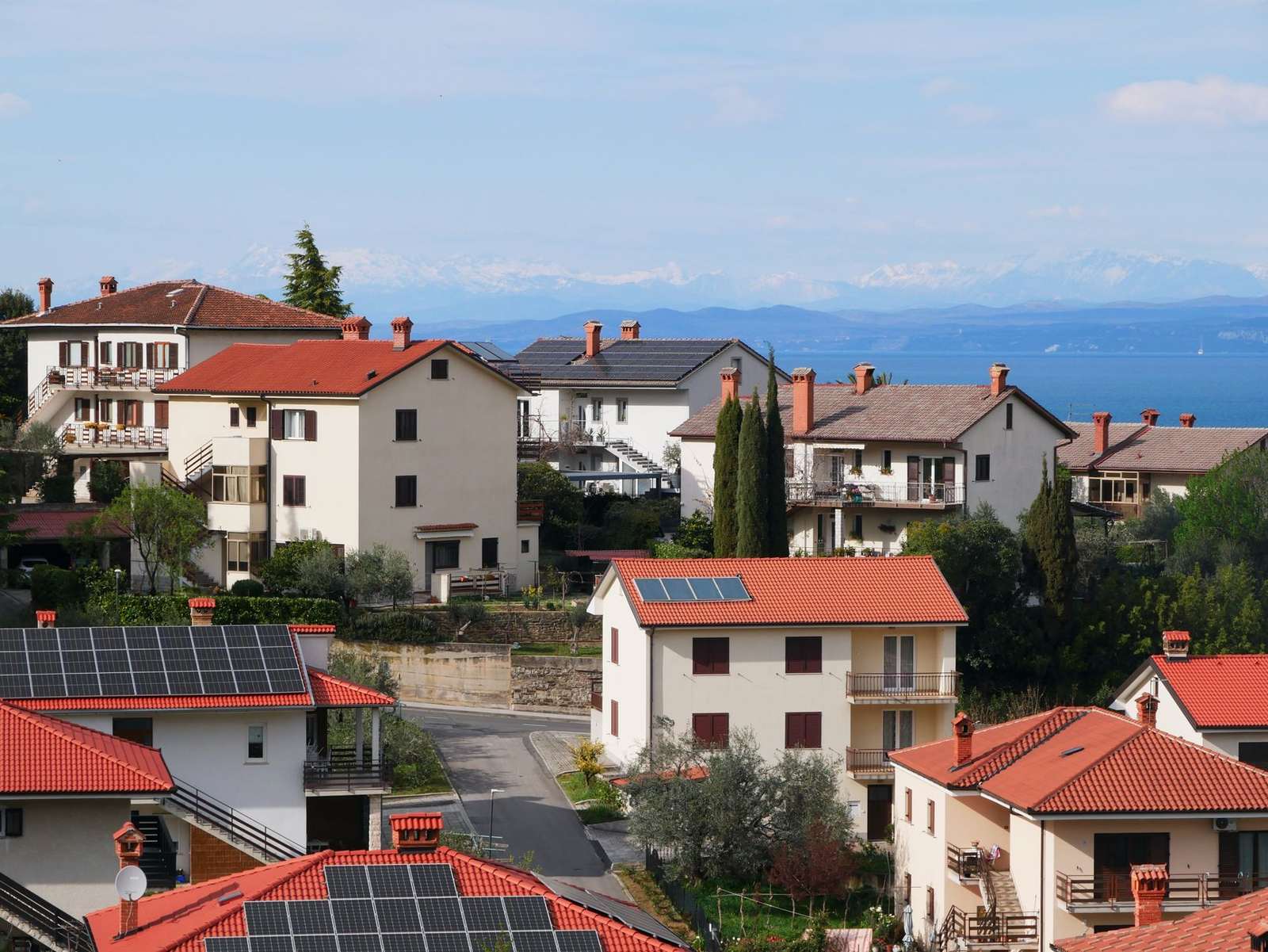
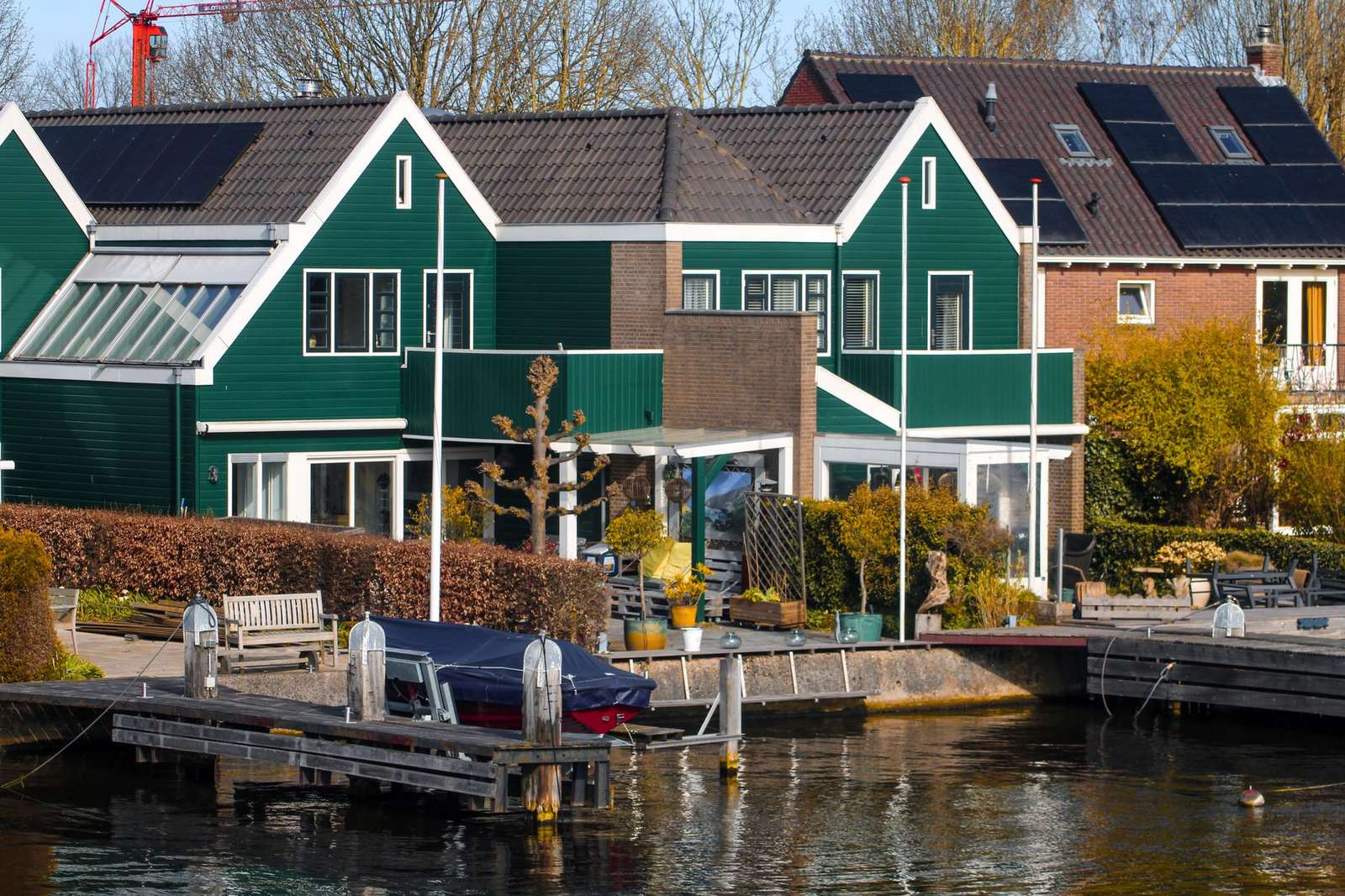
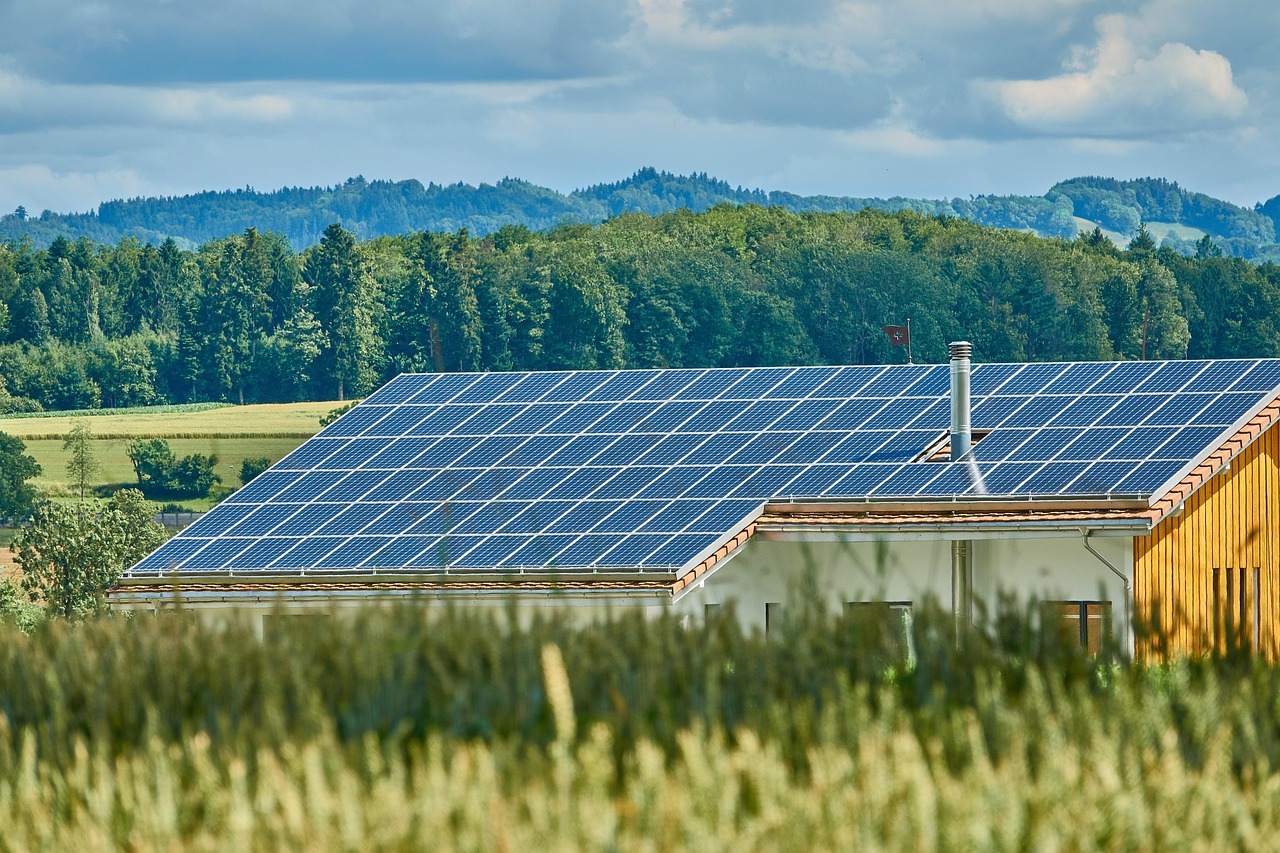
The rooftop initiative is the best-known part of the strategy. The text of the Commission communication argues that, according to some estimates, rooftop PV could provide almost 25% of the EU’s electricity consumption. Those installations, on residential, public, commercial and industrial roofs, can shield consumers from high energy prices and contribute to public acceptance of renewable energy.
The communication proposed to make rooftop solar compulsory in stages, covering new and existing public and commercial buildings first and new residential buildings after that, by 2029 at the latest. It also proposed that all new buildings be designed “solar ready”, meaning that the site’s solar irradiance is taken into account so that panels can be added later without costly structural changes.
The Commission’s solar page confirms how this was carried forward: such provisions were included in the revised Energy Performance of Buildings Directive, introducing obligations for new buildings to be solar-ready. For existing public buildings, the Commission explains that solar will need to be gradually installed from 2027, where technically, economically and functionally feasible.
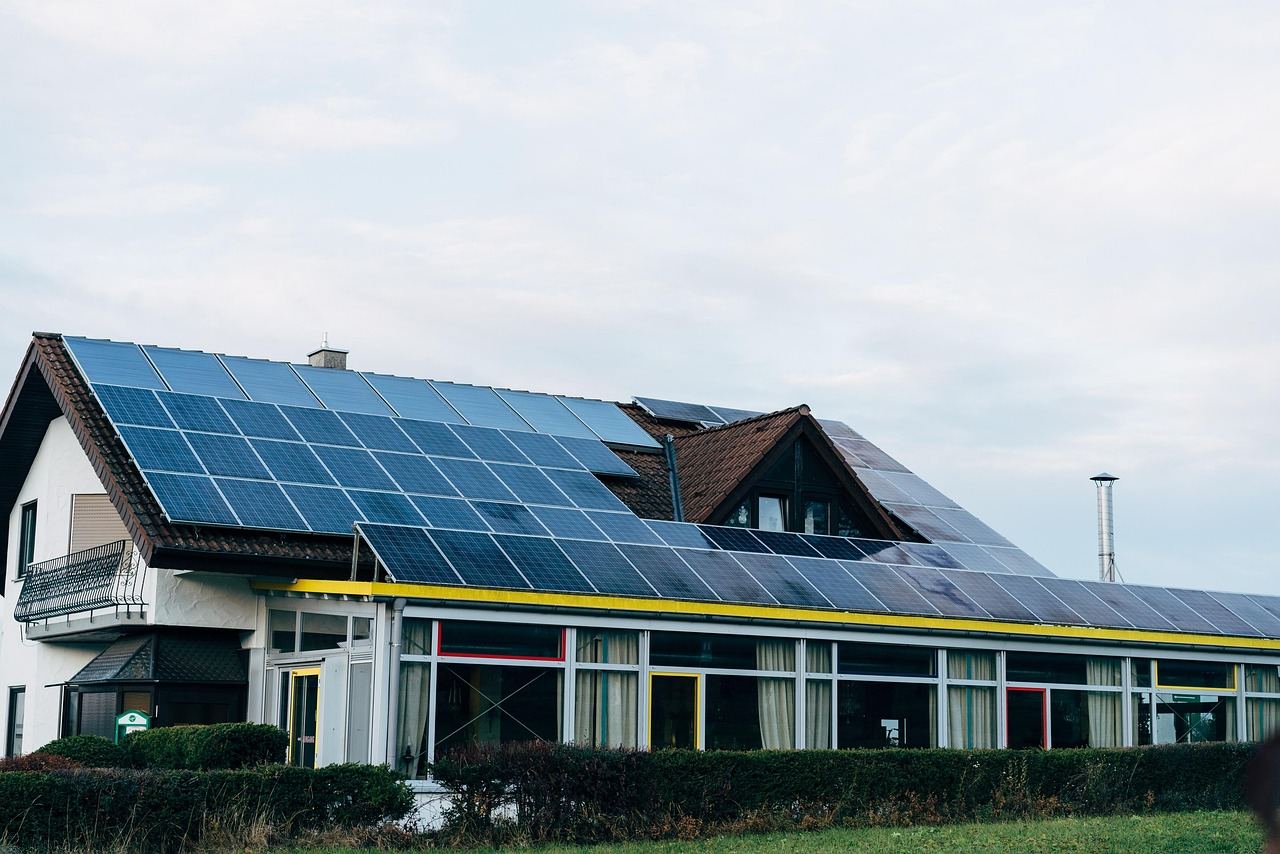
The qualifier “technically, economically and functionally feasible” matters. Roofs differ in orientation, load capacity, shading and ownership, and a legal duty applies only where an installation makes sense. For building owners and facility managers, the practical effect is that rooftop assessments become a routine part of planning new construction and major renovations.
Rooftop generation also changes how the grid is used. Many small systems feed in at the distribution level, and self-consumption by the building reduces what has to be drawn from the network. The commercial side of that trade-off depends on national support schemes, which are compared in the guide to feed-in tariffs in Europe.
Faster permitting for solar projects
Slow permits are one of the most cited reasons for delays in renewable projects, and the strategy addressed them directly. In its list of immediate actions, the communication states that the EU will limit the length of permitting for rooftop solar installations, including large ones, to a maximum of 3 months. The same list states the intention to increase the 2030 target for the renewables share to 45%.
The Commission introduced measures on permitting processes for renewable energy projects alongside REPowerEU, and these are reflected in the revised Renewable Energy Directive, as the Commission’s solar page explains. In practice, this means that a rooftop project in a Member State that has transposed the rules should meet a defined, short decision window rather than an open-ended wait.
Permitting rules are only effective when authorities have the staff and digital tools to apply them. For that reason, the strategy pairs legal changes with a guidance document and a recommendation, so that national and regional bodies share methods rather than build processes separately.
Skills and workforce
A faster build-out requires people to design, install and operate systems. The strategy therefore included an EU large-scale skills partnership, which, according to the Commission, was launched in March 2023 following its announcement in the Solar Strategy. It aims to address the skills gap in the EU and promotes the development of a skilled workforce in the renewable energy sector.
The Commission also points to the scale of the labour market. Citing the EU Solar Jobs Report 2025 by SolarPower Europe, the solar page says that Europe could see more than 900 000 solar workers by 2029. As part of the Net-Zero Industry Act, the European Solar Academy was launched in June 2024, aiming to train 100 000 workers over 3 years.
Training matters for more than installation. Operations, monitoring and maintenance staff are needed once plants are running, and the sector’s long-term performance depends on that capacity as much as on the number of panels delivered.
Industry alliance and manufacturing support
Supply security is the other half of the strategy. The Commission states that the European Solar PV Industry Alliance was launched by the Commission together with industrial actors, research institutes, associations and other relevant parties on 9 December 2022. It is a forum focused on investment opportunities, diversified supply chains and retaining more value in Europe, and it offers policy input on reducing the risk of supply disruptions.
In April 2024, energy ministers from 23 EU countries signed the voluntary European Solar Charter, which sets out actions to support the EU photovoltaic manufacturing sector, as reported on the same Commission page.
The Net-Zero Industry Act adds a manufacturing benchmark. According to the Commission’s description of the Act, the aim is that the Union’s strategic net-zero technologies manufacturing capacity approaches or reaches at least 40% of annual deployment needs by 2030. Solar photovoltaic and solar thermal are among the key technologies listed.
Where deployment stands against the targets
Installed capacity has moved quickly, but the trend is not uniform. SolarPower Europe’s December 2025 market outlook found that the EU reached its 2025 installation target of 400 GW, with a total fleet of 406 GW. The same press release said that the EU solar target of 750 GW by 2030 was slipping out of reach, with a most-likely scenario of only 718 GW.
It linked part of the slowdown to the residential segment, which was responsible for 28% of newly installed EU capacity in 2023 but only 14% in 2025. That is relevant to the rooftop initiative, because the residential roof is where mandatory rules and support schemes matter most.
Annual installation figures are revised as national data arrive. In its mid-year market update, SolarPower Europe refers to the revised 2025 record of 69.6 GW. The upward revision shows that early estimates can understate actual deployment, so any single year’s number should be read with its publication date in mind.
Taken together, the evidence points to a policy that has delivered its first milestone and now faces the harder second one. Reaching the 2030 goal depends on demand segments such as homes recovering, on grid connection capacity keeping pace and on permitting rules being applied consistently across Member States.
Frequently asked questions
What is the EU solar strategy?
Show answer
It is a Commission strategy adopted in May 2022 within the REPowerEU plan. It identifies barriers to solar deployment and sets out initiatives on rooftops, permitting, skills and industrial supply chains, as described on the Commission’s solar energy page.
What capacity targets does it contain?
Show answer
The strategy set the objective to deliver over 320 GW of solar photovoltaic by 2025 and at least 600 GW by 2030, in alternating current, per the same Commission page.
Does the rooftop initiative make solar compulsory?
Show answer
Partly. New buildings must be solar-ready under the revised Energy Performance of Buildings Directive, and existing public buildings need solar gradually from 2027 where it is technically, economically and functionally feasible.
How long may rooftop permitting take?
Show answer
The Commission’s communication states a maximum of 3 months for rooftop solar installations, including large ones, according to the communication text.